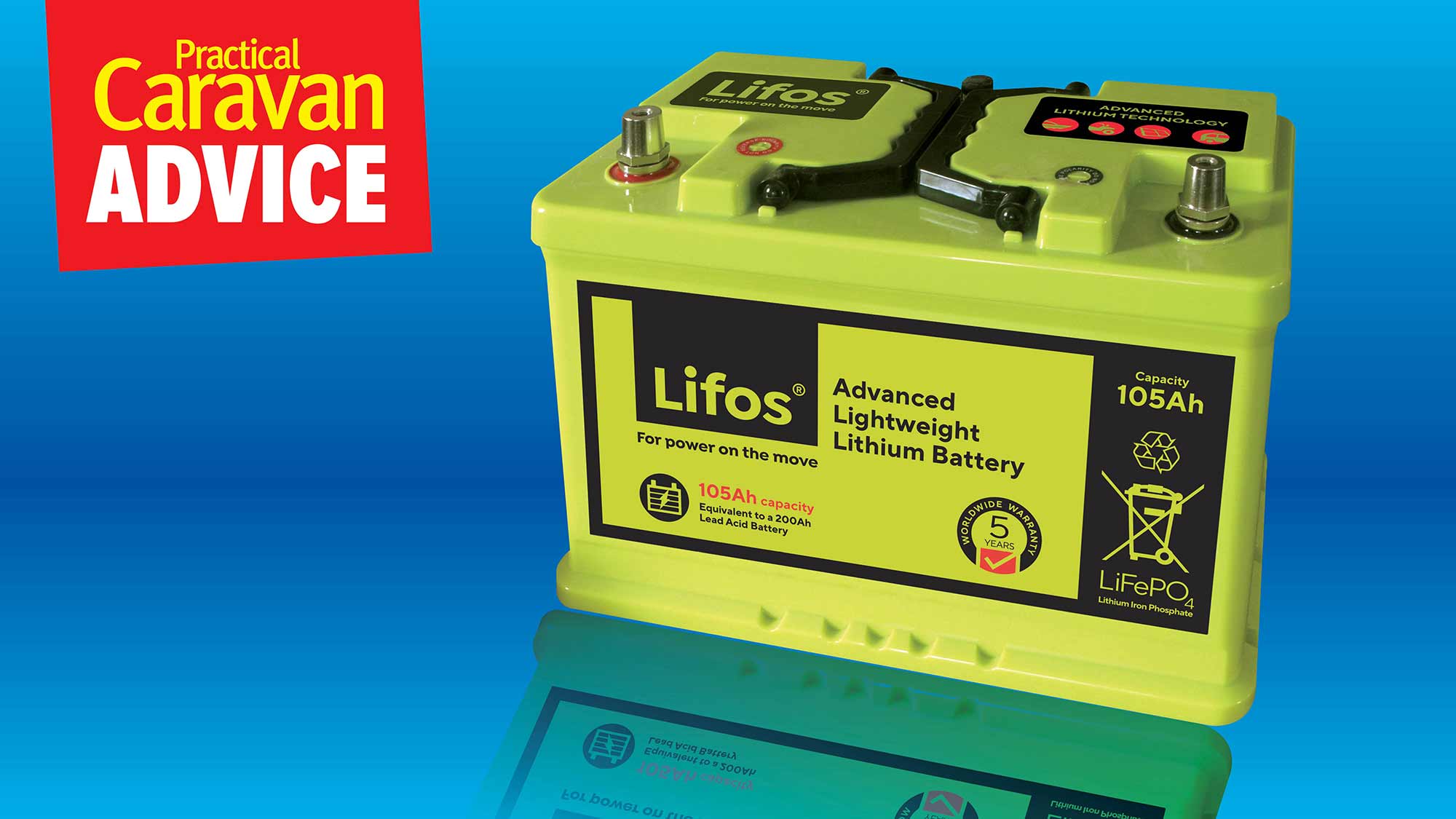
When you’re looking at the various leisure batteries on the market, you will notice there are the more traditional lead-acid options and lithium leisure batteries. A quick look at prices will quickly reveal lithium options are considerably more expensive, which could leave you wondering, “Are lithium leisure batteries worth it”?
So, is a lithium option going to be the best caravan leisure battery for you? It will largely come down to your budget and touring habits. There’s no getting away from the fact that lithium-ion batteries are more expensive up front, but depending on your needs, they can be worth it in the long run.
Here, we’re taking a look at the caravanning lifestyle they’re suited to, as well as highlighting why they may not be right for you, to help you decide whether it’s worth buying one for your caravan.
Is a lithium leisure battery right for you?
Lithium batteries undoubtedly have a number of factors in their favour that make them a very attractive prospect for caravanners.
Firstly, there’s the weight issue. A lithium leisure battery is significantly lighter than a traditional lead-acid leisure battery, which can be very tempting for payload-wary caravanners.
They can also charge a lot faster and will last a lot longer than their lead-acid counterparts, too. In fact, you will generally find they can last over ten times as long, which can begin to make that initial high outlay seem much more reasonable.
When you’re working out what size leisure battery you need for a caravan, it can also be worth bearing in mind that a lithium option will give you access to nearly the full stated capacity, unlike their lead-acid counterparts, where you can only safely use about 50 per cent before risking damage.
However, lithium really starts to pay off if you’re a fan of caravanning off-grid on a regular basis, or like to run things like inverters for long periods.
Those of you who use caravan solar panels will find lithium makes sense, as they are more efficient and can be charged more quickly. If, for example, there is a cloudy day, you will already have plenty of charge in them to use up. However, if you are using the less efficient lead-acid type, your battery is not going to last as long if you have a few days of bad weather.
If you’re using the best caravan mover, you could also find a lithium battery an attractive prospect, as it will help you to operate your gadget reliably.
If this all sounds like your type of touring, it’s a smart upgrade.
Why a lithium leisure battery may not be suitable for you
It’s clear that a lithium leisure battery has plenty of plus points. However, there’s a big ‘but’ coming up, and it will all link back to the way in which you tour.
If you know you’re predominantly going to be pitching up at one of the best caravan sites and will have access to electric hook-up for your caravan or will only be using 12V power for lights and phone charging, you will find that a healthy lead-acid battery will be able to do what you need, but for a more budget-friendly price.
There’s no getting away from the cost, either. A lithium leisure battery will be more expensive than a lead-acid battery with the same capacity, but you will also typically find you’ll need to upgrade your caravan’s leisure battery charging system too, which will further add to the outlay.
If you’re not already using or thinking about installing caravan solar panels, it could be a further reason to consider sticking to lead-acid batteries, too.
The verdict on whether lithium leisure batteries are worth it
There’s no getting away from the benefits of a lithium leisure battery. Their lighter weight will help caravanners with less payload to play around with, and the fact that they should have a significantly longer lifespan could also make them a tempting choice.
However, it will, in many ways, come down to how you tour and whether you’re happy with that initial cost. If you’re a regular off-gridder who uses solar panels, a lithium battery will come into its own. But if you’re pitching up at sites with electric hook-up and will not be running gadgets like an inverter for long periods of time, it would probably be worth sticking to a standard battery and saving yourself some money in the process.
Written with contributions from Nigel Donnelly.
Future Publishing Limited, the publisher of Practical Caravan, provides the information in this article in good faith and makes no representation as to its completeness or accuracy. Individuals carrying out the instructions do so at their own risk and must exercise their independent judgement in determining the appropriateness of the advice to their circumstances and skill level. Individuals should take appropriate safety precautions and be aware of the risk of electrocution when dealing with electrical products. To the fullest extent permitted by law, neither Future nor its employees or agents shall have any liability in connection with the use of this information. You should check that any van warranty will not be affected before proceeding with DIY projects.
If you enjoyed reading this article, why not get the latest news, reviews and features delivered to your door or inbox every month? Take advantage of our brilliant Practical Caravan SUBSCRIBERS’ OFFER and SIGN UP TO OUR NEWSLETTER for regular weekly updates on all things caravan related.