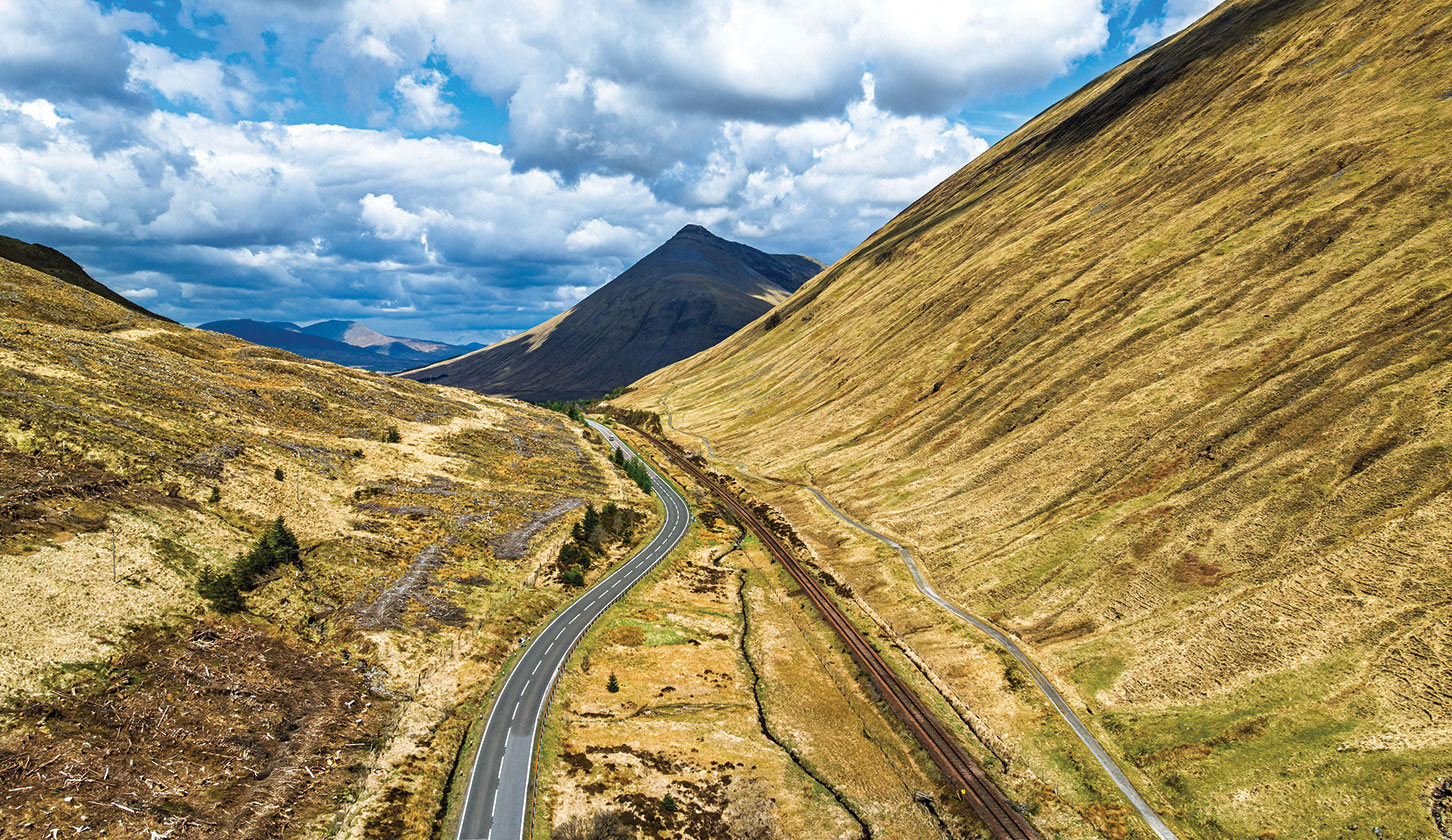
The best roads in Britain will provide caravanners with breathtaking views, making the drive to your chosen campsite an enjoyable start to your tour.
After all, you’re meant to be on holiday and looking forward to pitching up at one of the best caravan parks. Opt for a route which provides good driving conditions and beautiful views and suddenly, the drive is something to look forward to.
Here, we’re taking a look at four of our favourite roads in Britain for towing a caravan, and also sharing three which can prove to be a bit of a struggle.
If you are looking for ways to avoid any overly tight roads or sharp bends when you’re on tour, you can also consider the best caravan sat nav, which will let you input your tourer’s dimensions and take these into account when providing a route.
The best roads in Britain for towing
The North Wales Expressway (A55) – Cheshire and Wales
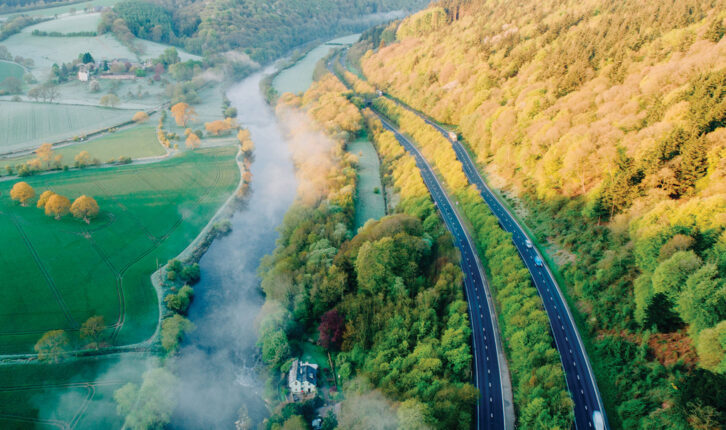
The historic A55 connects Chester with North Wales, running all the way to Anglesey, with much of it along or near the coast.
These days most of the road is dual carriageway, which makes for easy caravan towing. It’s straightforward enough to drive, with the highlights being the wonderful views for your passengers to enjoy.
The road crosses the River Dee and enters Wales, soon followed by a steep and demanding hill between Broughton and Dobshill.
Much of the route is picturesque, but the views become even more breathtaking as the road climbs up the sides of Halkyn Mountain. The road travels inland for a few miles, before hugging the coast from Abergele.
Colwyn Bay’s sandy beach is worth a visit once your caravan is on its pitch, while the Britannia Bridge offers spectacular views across the Menai Strait.
The Atlantic Highway (A39) – Devon and Cornwall
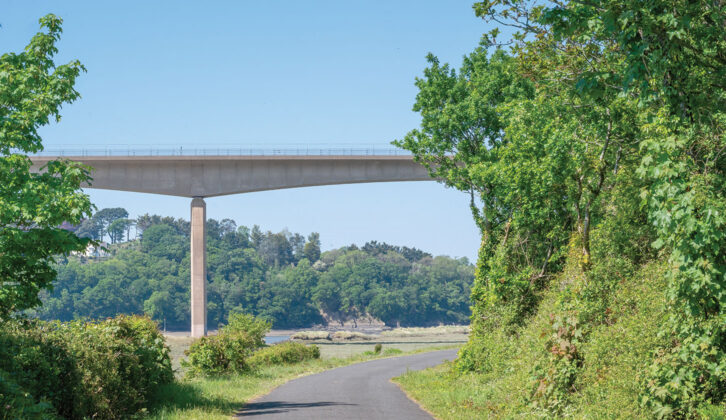
Are you heading to one of the best caravan parks in Cornwall? There are lots of superb driving roads in Cornwall, but many are tight on width for caravanners. Although it’s not a large road for the volume of traffic it carries in summer, the Atlantic Highway can be enjoyed while towing without the constant worry that you are moments away from scratching the side of your caravan.
Running 70 miles from Barnstaple to Newquay, many campsites are just a short distance from the A39, so there’s a good chance you won’t need to make a lengthy detour to enjoy it.
Highlights include the wonderful beach at Bude, the ruined castle at Tintagel, and the seafood delights of Padstow. You’ll want to leave the caravan behind to reach them, but that’s a good excuse to enjoy the Atlantic Highway all over again, once you reach your campsite.
The A591 – Cumbria
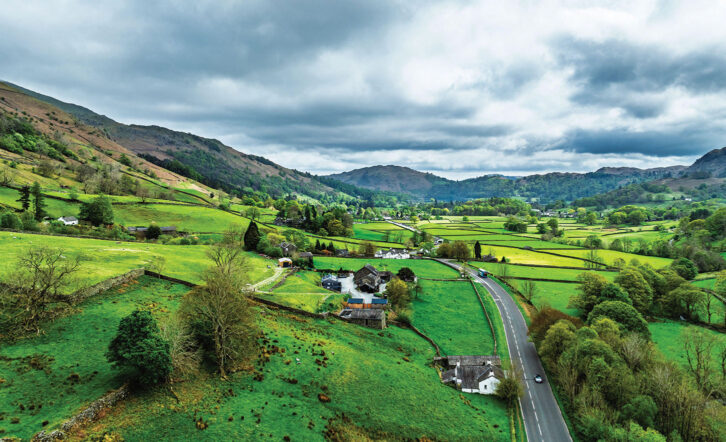
The Lake District is renowned for its beauty, but also its steep and narrow roads. The A591 is arguably the best route in the Lakes for balancing stunning scenery with reasonable driving conditions for caravanners.
Running north-south, anyone leaving the M6 at junction 36 will join the A591 near Sizergh Castle (well worth a visit, especially for National Trust members). A stretch of dual carriageway bypasses Kendal, before the A591 becomes a busy single carriageway route as it enters the Lake District National Park.
The road skirts along the edge of Windermere on the way to Ambleside. Take care through the town, because by A-road standards the road is narrow here. Further on, the long climb of Dunmail Raise will test your tow car’s engine! As the road continues north it’s narrow in places, but the drive is well is worth the effort and concentration.
A82 and A85 – Scotland
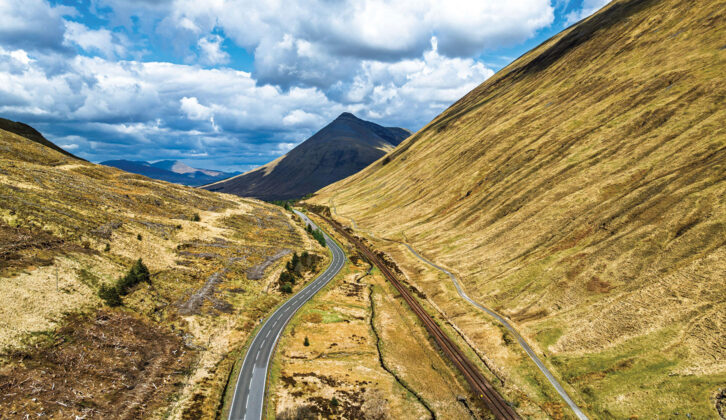
Few keen drivers would disagree that many of Britain’s best roads are to be found in Scotland. The drive from Glasgow to Fort William is a highlight for tow car drivers.
Mile for mile, this route is absolutely stunning. Heading north from Glasgow, the A82 runs alongside Loch Lomond, Britain’s second largest lake by water volume after Loch Ness. Care is needed here as the road has some tight bends and limited visibility, but it’s worth the effort and concentration.
The route climbs high over Rannoch Moor, before descending through Glencoe. This dramatic valley is famous for the steep-sided mountains on either side and the 1692 massacre of the MacDonald clan. The final miles take you along the shore of Loch Linnhe to Fort William.
And three that can be a bit of a struggle
The North Coast 500 – Scotland
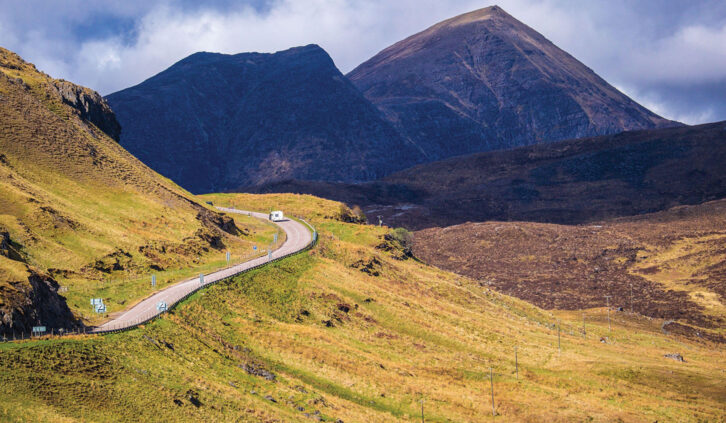
Perhaps the most scenic route of all, but it is super-busy for much of the year and is narrow in places. It’s great in a campervan, but in places it can be a bit of a squeeze with a caravan.
Porlock Hill – Devon
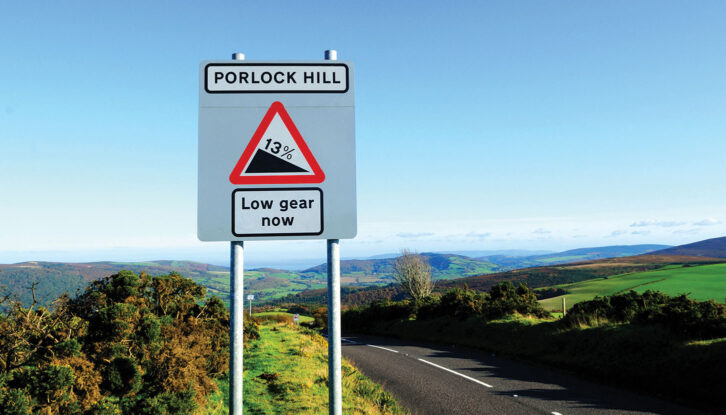
This notorious stretch of road has seen many a vehicle overheat or struggle to the top, with the steepest sections being a 1-in-4 gradient. Caravanners are advised to take the less extreme toll road instead.
Hardknott Pass – Cumbria
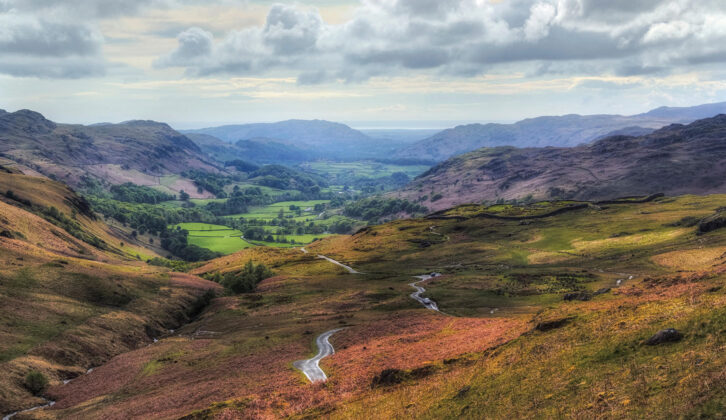
Even Porlock Hill isn’t as steep as Hardknott Pass, with its 1-in-3 slopes. Once in a while a caravanner takes this route and regrets it! The road is narrow and there are hairpin bends which are tricky to negotiate, even if your car copes with the gradient.
Don’t miss what we had to say about the towing gadgets that can help you enjoy a more stress-free experience on the road, too.
Lead image: Alamy Stock Photo
If you’ve enjoyed reading this, why not get the latest news, reviews and features delivered direct to your door or inbox every month. Take advantage of our brilliant Practical Caravan magazine SUBSCRIBERS’ OFFER and SIGN UP TO OUR NEWSLETTER for regular weekly updates on all things caravan related.