



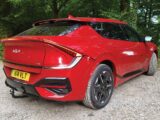
Verdict
With its new battery, one of the best EVs is now even better.
Pros
- Comes with increased range and towing capacity
- Spacious interior
Cons
- Finding charging points while towing can still be an issue
- Rivals offer more generous boot capacity
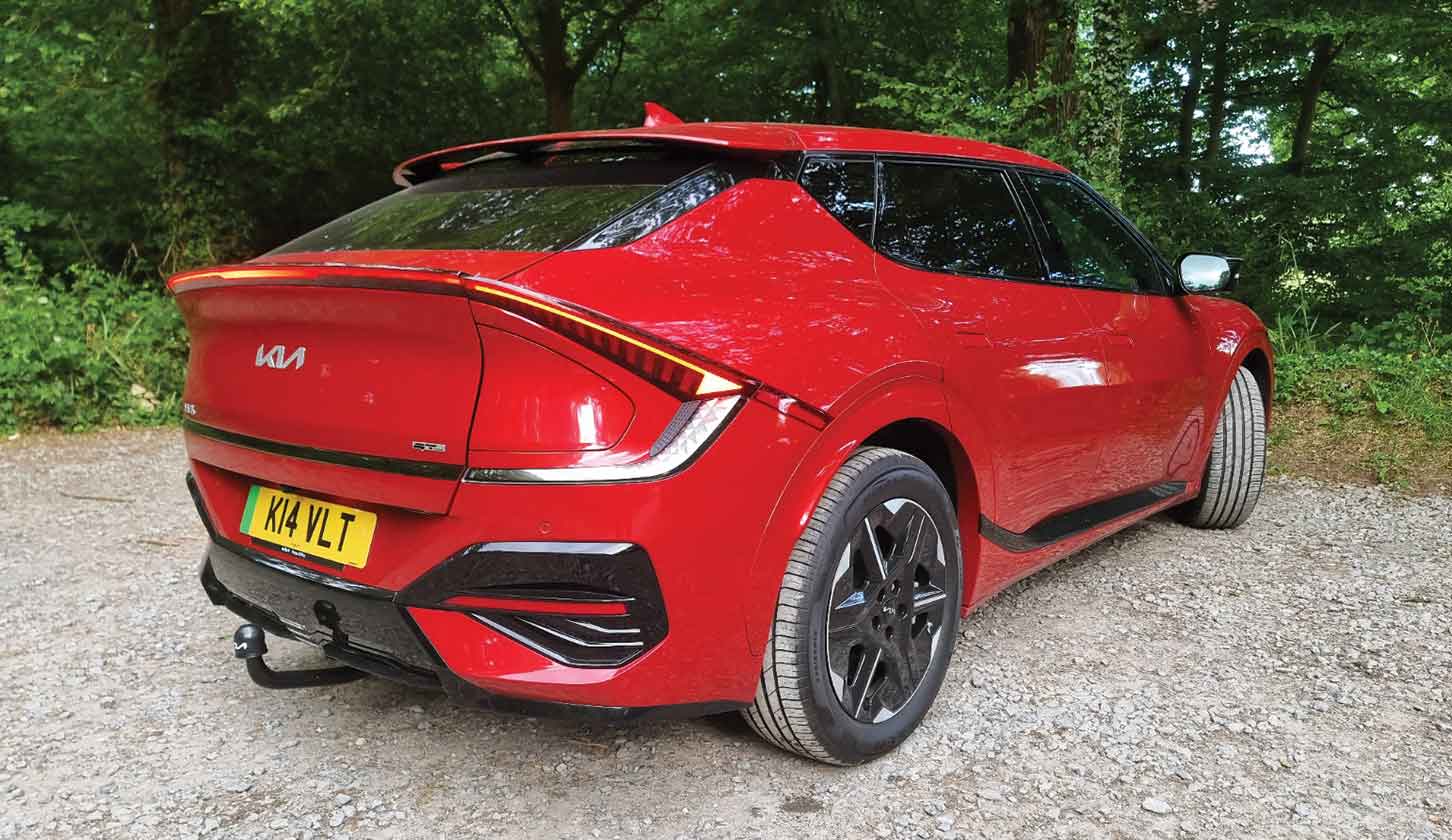
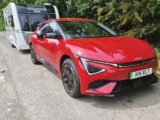
The Kia EV6 is one of our favourite electric tow cars. For 2025, Kia has updated it, with tweaks to the styling and the interior. More importantly, the Kia EV6 GT-Line AWD has a larger battery for longer range, and 200kg has been added to the towing capacity.
What am I looking for?
How successful are the Kia’s midlife updates? Does it still deserve to be regarded as one of the best electric tow cars?
Towing with the Kia EV6 GT-Line AWD
Electric vehicles share similar strengths and weaknesses as tow cars. On the plus side, they are very heavy for their size. Their electric motors provide instant pulling power, and stability at speed is superb.
The downsides include the difficulty of finding somewhere secure for your van while you’re charging the electric car. Towing capacities are often disappointing, too.
The latter criticism doesn’t apply to the EV6, however. Before its update, the Kia was approved to tow vans of up to 1600kg. That figure has now risen to 1800kg, just a fraction below an 85% match.
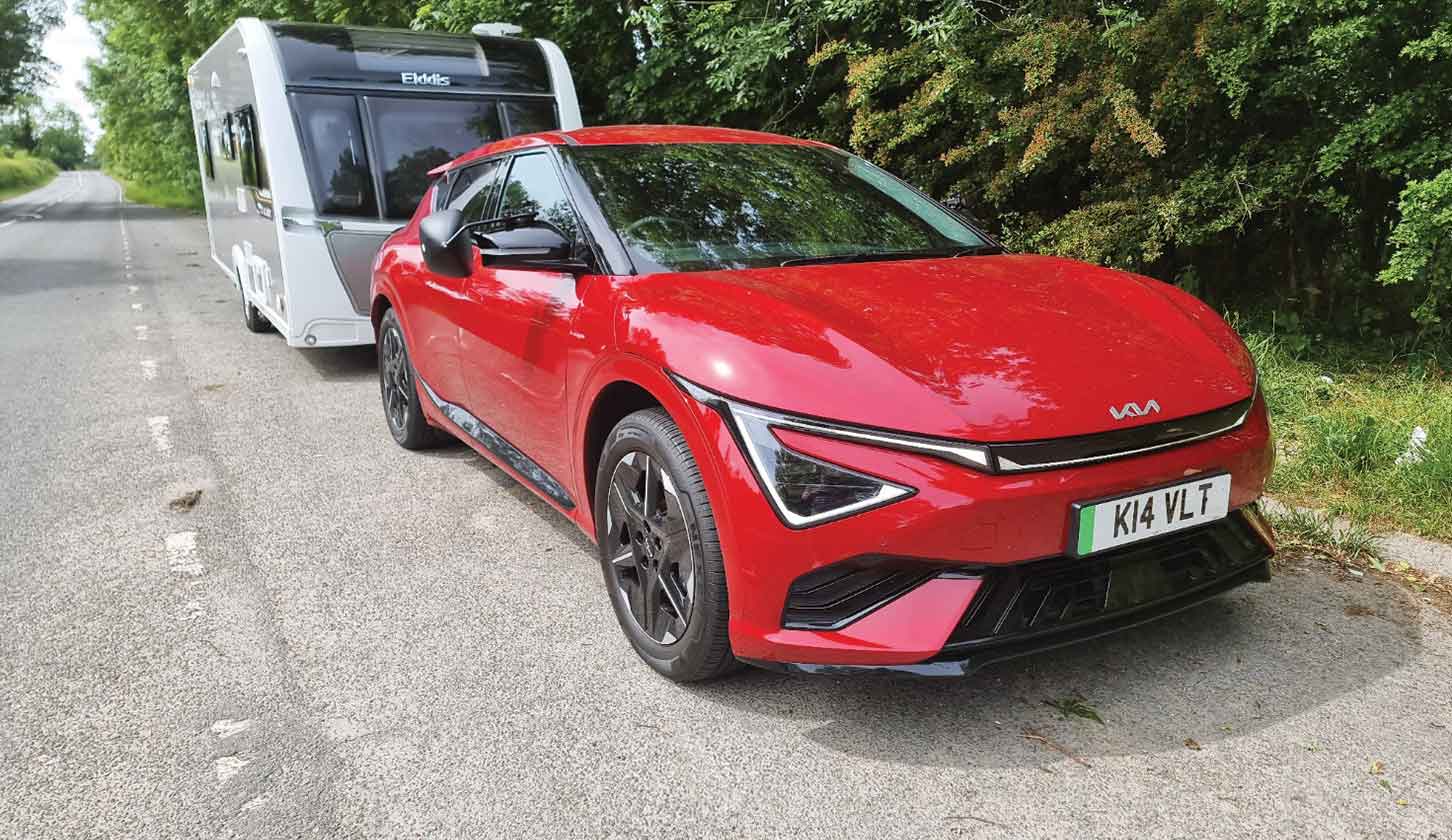
I paired the Kia with an Elddis Crusader Aurora with a MiRO of 1373kg, borrowed from Raymond James Caravans in Atherstone, Warwickshire. The EV6 took the added weight of the Elddis in its stride, reaching 60mph, the speed limit when towing a caravan on a motorway or dual carriageway, with no sign of effort.
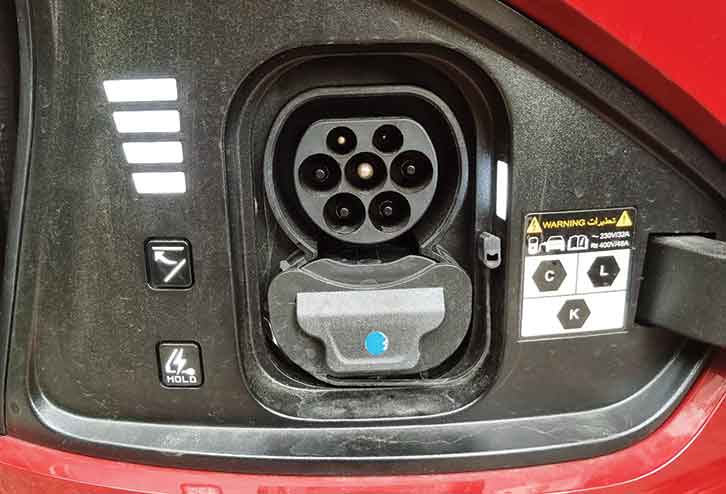
The all-wheel-drive version of the EV6 has a motor for each axle, with a combined output of 320bhp and some 446lb ft of torque. The transmission has a single speed for moving forward, so there’s no hesitation while the gearbox kicks down to a lower gear, just a seamless and immediate response.
There are even quicker EVs, such as the Tesla Model Y Dual Motor, but the Kia is more than fast enough to offer confident overtaking when hitched up, something which will be appealing when you’re towing a caravan with an electric car.
Of course, stability is far more important than speed, particularly if you’re looking for the best caravan tow car. I had no worries on that score, with the tiniest of movements from the van. Even in crosswinds and the disturbed air around HGVs, the EV6 stayed firmly in charge of the tourer.
On country roads, the Kia’s suspension is on the sporty side, but comfortable. This avoids any wallowing or pitching sensation. So while you’re conscious you are towing, the EV6 never shows much sign of the extra strain.
Hill starts are exceptionally easy. The electronic parking brake holds car and caravan still on a 1-in-10 slope and moving away is smooth and quick.
Four-wheel drive means the task should be no more onerous if the road is damp.
Manoeuvring once you arrive at your campsite is equally easy and smooth. Rear visibility isn’t great, but in practice it’s not a problem, because the rear-view camera is excellent, which should help when you’re reversing a caravan.
Solo driving the Kia EV6 GT-Line AWD
Leave the caravan on its pitch, and the EV6 is a rewarding car to drive by EV standards.
Yes, keen drivers will miss the sound and character of an internal combustion engine, but there’s something surprisingly addictive about making quiet but purposeful progress in an electric vehicle.
The Kia’s suspension is relatively firm, but it’s far from harsh. The Škoda Enyaq may be more to your taste if a forgiving ride is a priority, but the Škoda doesn’t match the cornering verve of the EV6.
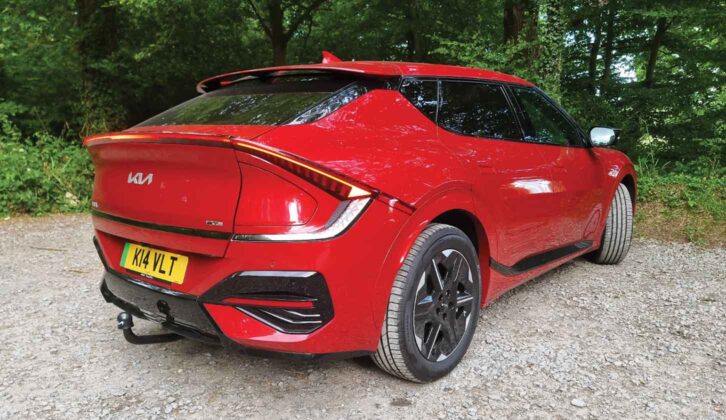
Direct steering helps the driver place the Kia accurately, while being light enough for easy parking. Just as when towing a caravan, better rear visibility would be welcome while reversing, but the rear-view camera largely compensates for this.
On the motorway, especially on coarse surfaces, you do hear some road noise, but otherwise the EV6 remains pleasingly quiet on a long drive.
As you would expect, the Kia returns energy to the battery while slowing down. The level of regenerative braking can be adjusted using paddles behind the steering wheel.
At its most aggressive, the car slows as if you had applied the brakes firmly, which is fine in solo driving once you are used to it. While towing, I would recommend using the minimum setting, so the vehicle can slow gradually while dealing with any instability from the caravan.
Space and practicality
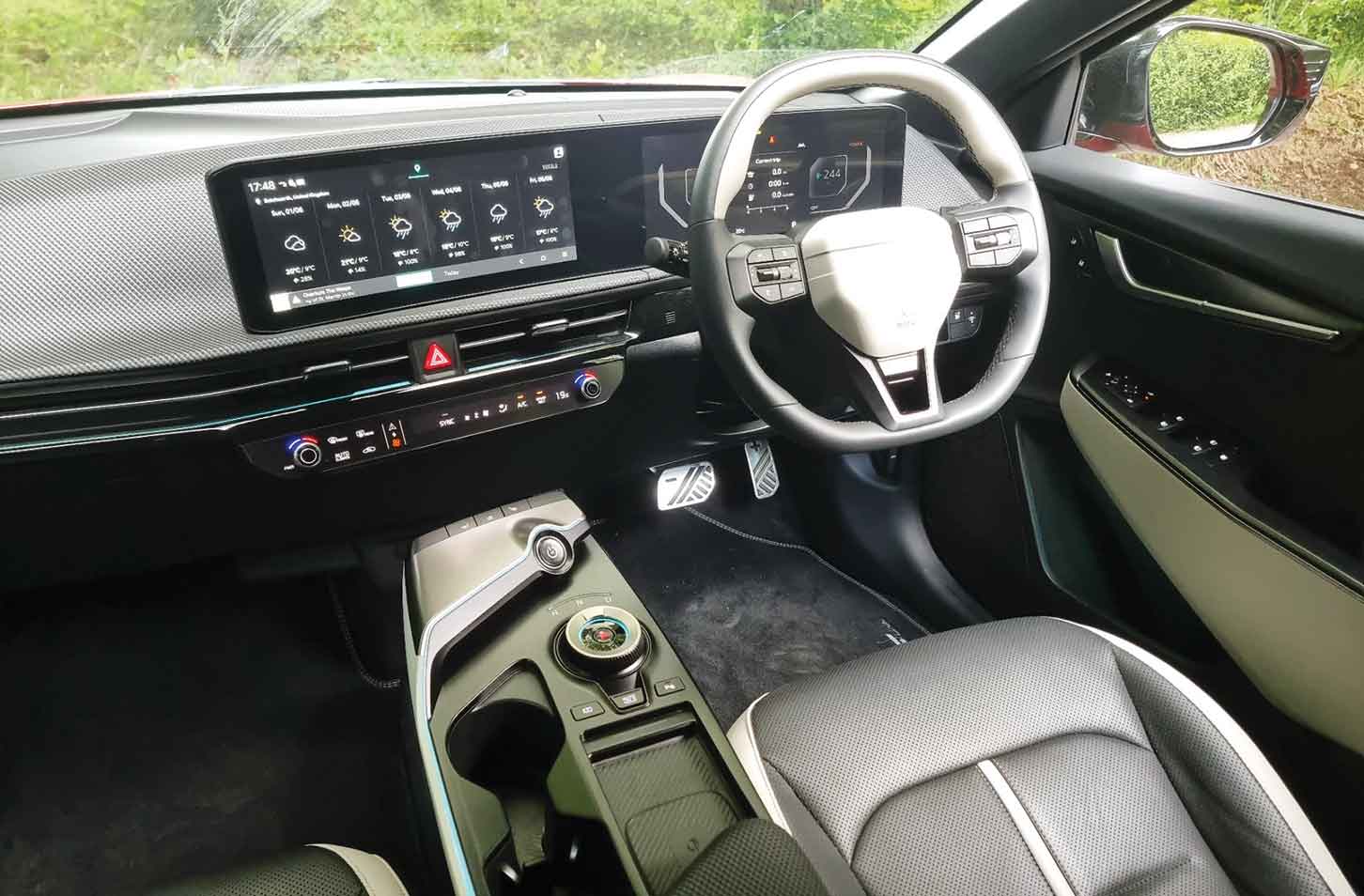
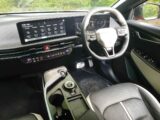
The dashboard is dominated by the twin screens, which sit side by side. The digital display in front of the driver is clear, if rather dark and sombre in appearance. To the left, the touchscreen is high-resolution and easy to use.
If you prefer to mirror your smartphone, both Android Auto and Apple CarPlay can connect wirelessly. You can always add in gadgets such as the best sat nav for a caravan to help you have a straightforward towing experience.
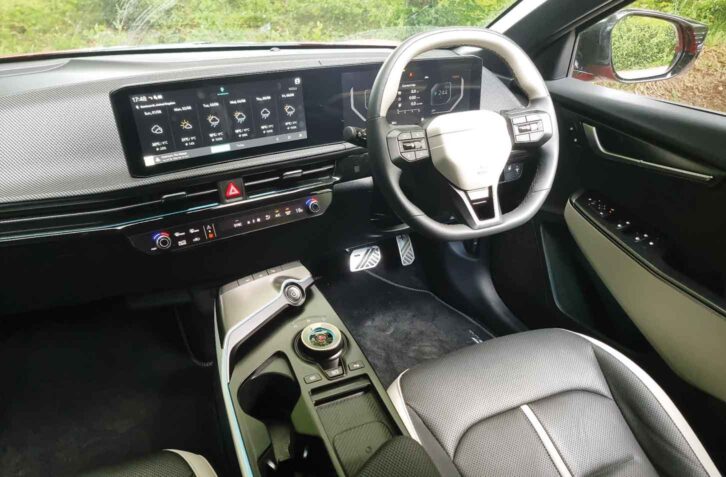
There’s plenty of storage up front, including large door bins and a tray between the driver and the front-seat passenger.
Adjusting the driver’s seat is achieved electrically, with manual movement for the steering wheel. There’s plenty of scope to accommodate people of most shapes and sizes.
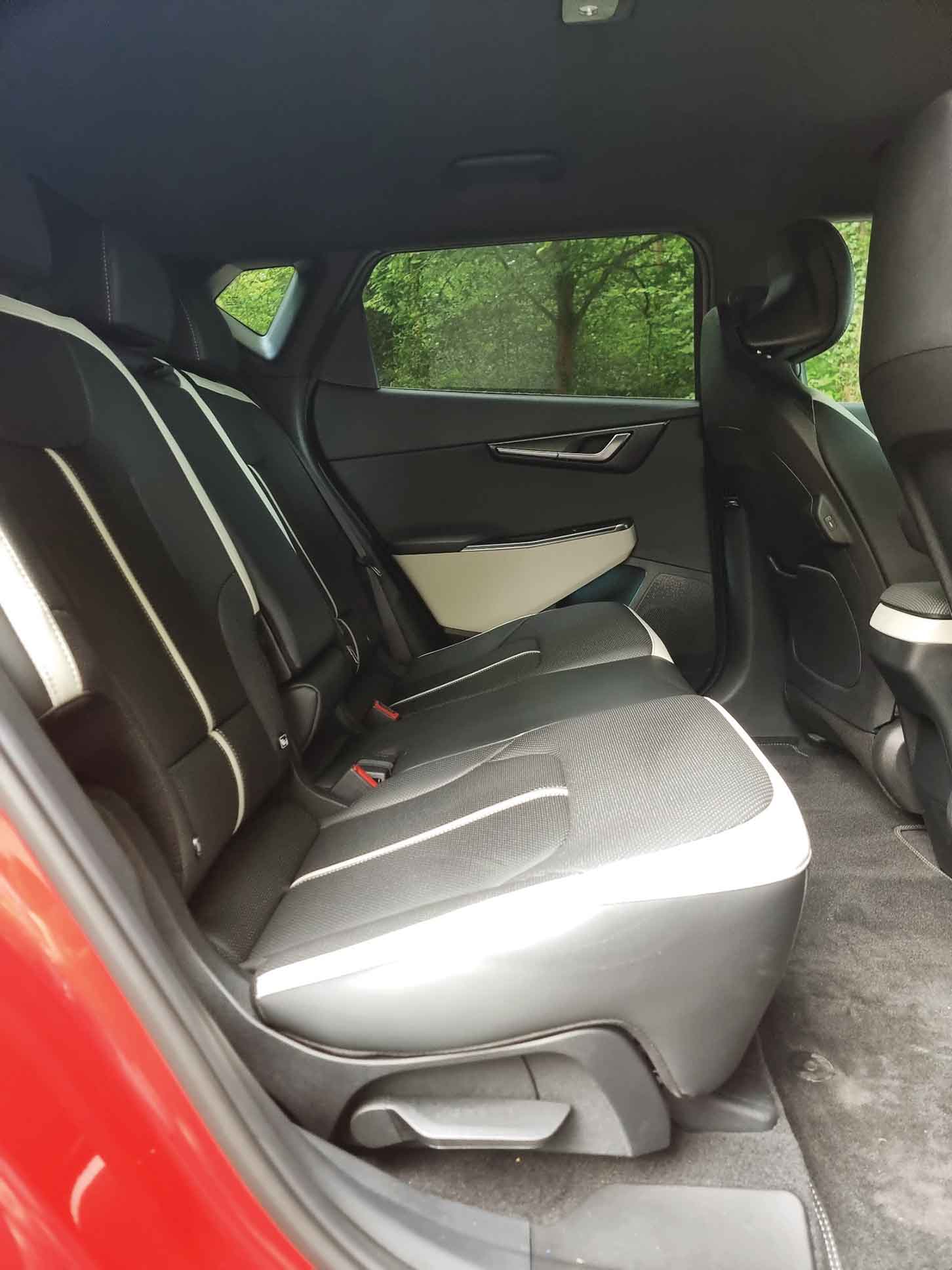
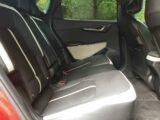
You’ll find ample space in the back, too. Legroom is generous and headroom is okay, despite the curve of the roofline. The flat floor and wide cabin mean three can travel in comfort, and ISOFIX child-seat mounts are fitted to the outer seats.
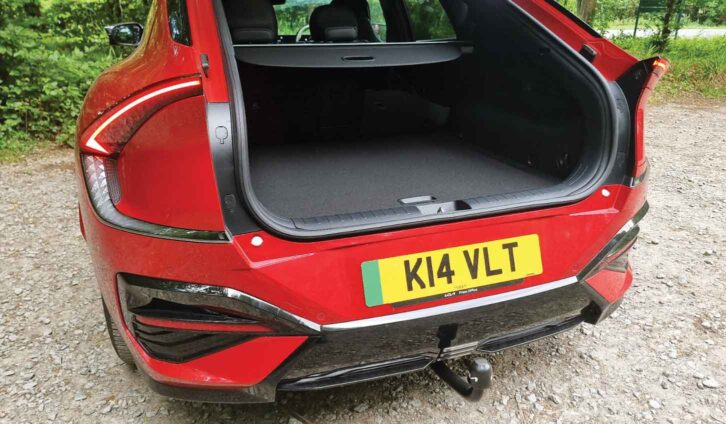
The boot has a respectable capacity, although it’s soundly beaten by the Škoda Enyaq or the Volkswagen ID.7 Tourer.
Buying and owning a Kia EV6 GT-Line AWD
The Kia is priced at just over £52,000, but What Car? research suggests it should be possible to persuade the dealership to drop that to under £50,000.
In GT-Line spec, the EV6 is very well equipped, in terms of both luxury kit and safety aids. Some of the safety features are a little too keen to beep and bong at the driver, although it is possible to turn off the more intrusive systems.
Officially, the new, larger battery gives the EV6 AWD a range of 339 miles. While towing the Elddis, the range was closer to 140 miles.
Alternatives to consider
You could consider the Volvo EX30 Twin Motor Performance Ultra – it’s a good choice if it’s just the two of you on tour, offering a comfortable driving position and a good driving experience.
Alternatively, you could look at the Hyundai Ioniq 6 Ultimate 4WD – it’s a 4×4 with a good spec and is also high-powered for achieving stable towing.
Take a look at our review of the Polestar 3 Long Range Dual Motor too, a car that we think is quick, practical and stable.
Technical specification
- Price: £52,085
- What Car? Target Price: £49,648
- Retained value after three years: N/A
- Kerbweight: 2150kg
- 85% of kerbweight: Above max tow
- Gross vehicle weight: 2600kg
- Max towing limit: 1800kg
- Gross train weight: 4400kg
- Towball limit: 100kg
- Price of towball: £946
- Boot size: 490-1300 litres
- Payload: 450kg
- Test conditions: Dry
- Battery size: 84kWh
- Power (bhp/rpm): 320/4600-9200
- Torque (lb ft): 446/0-4400
- Official combined range: 339 miles
- Towing range: (approx) 143 miles
- CO2 emissions: 0g/km
- First year car tax: £10
- Second year car tax: £620
- Insurance group: 40
- Euro NCAP rating: 5/5
If you’ve enjoyed reading this article, why not get the latest news, reviews and features delivered direct to your door or inbox every month. Take advantage of our brilliant Practical Caravan magazine SUBSCRIBERS’ OFFER and SIGN UP TO OUR NEWSLETTER for regular weekly updates on all things caravan related.
Technical Specifications
| Kerbweight | 2150 kg |
| 85% KW | Above max tow kg |
| Towball Limit | 100 kg |
| Maximum Towing Limit | 1800 kg |
| Power | 320 bhp |
| Torque | 446 lb ft |