Verdict
Some of the controls are fiddly and conventional towing mirrors won’t fit, but the 3’s other qualities compensate. The Polestar 3 is a quick, practical, and stable car.
Pros
- Tows well and with stability
- Accelerates quickly and maintains speed well
- Comfortable interior
Cons
- Frameless door mirrors have no lip for conventional mirrors to clamp to
- Can be fiddly doing everyday jobs via the touchscreen
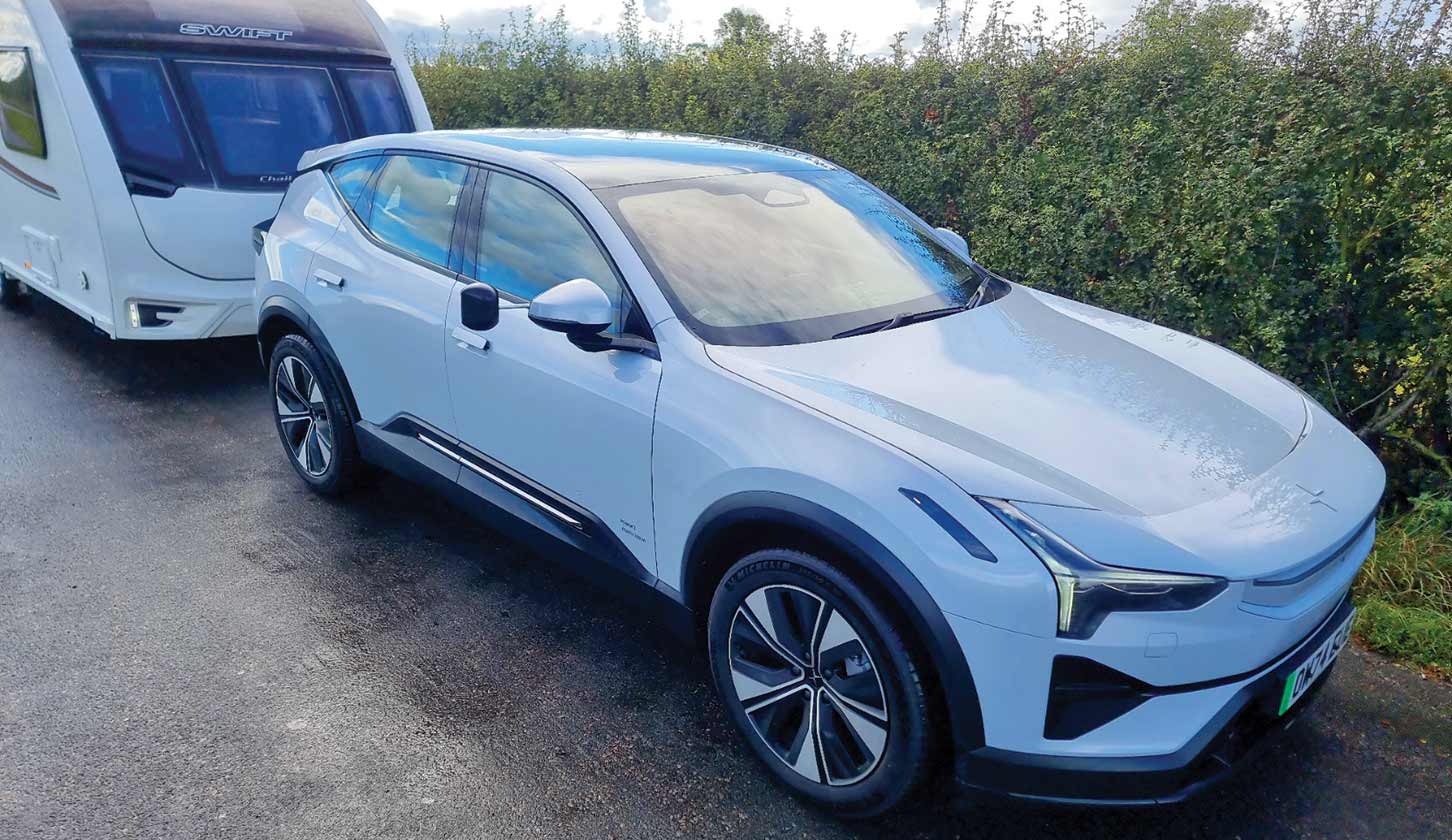
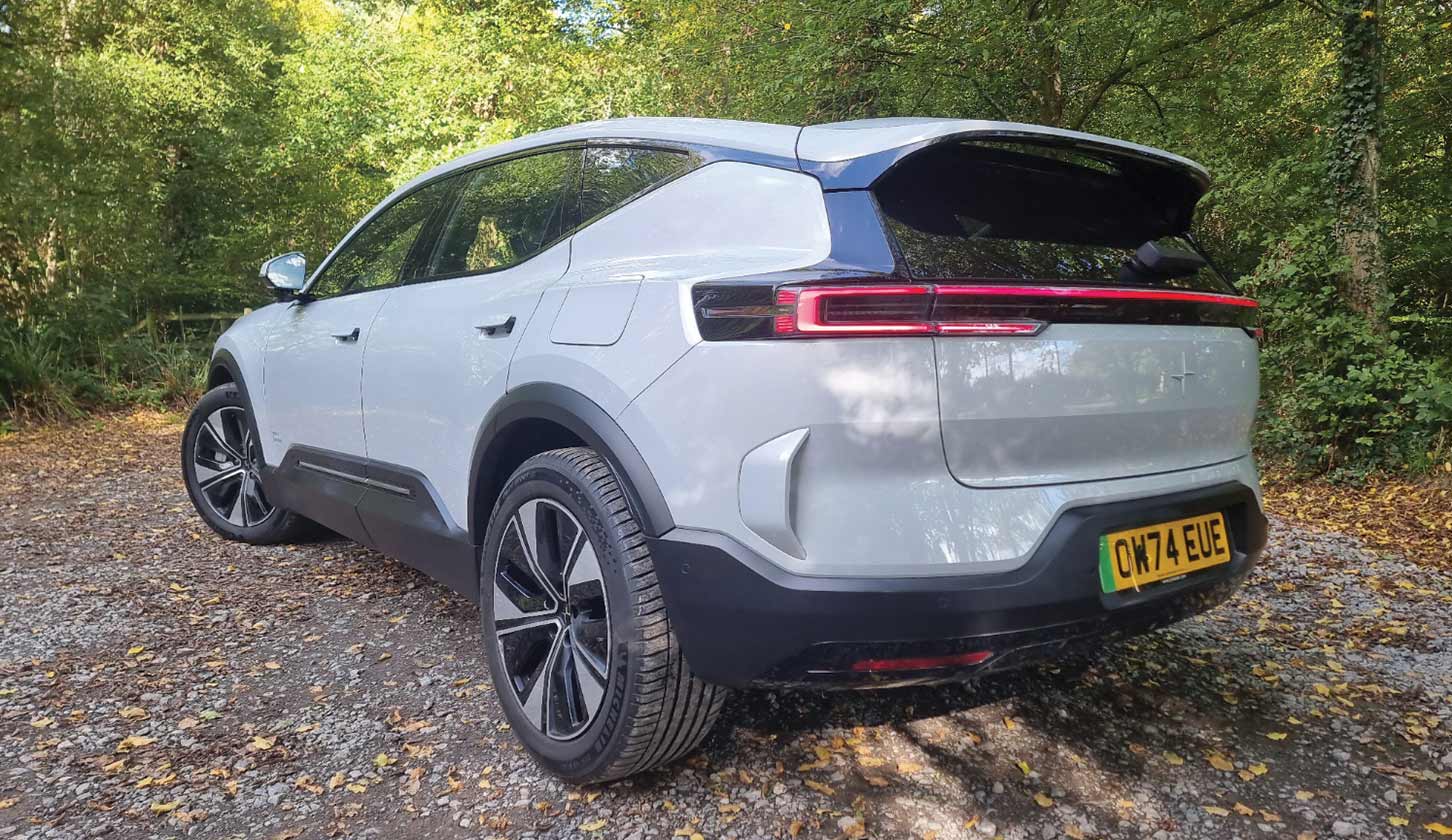
The Polestar 3 is the electric car maker’s luxury SUV. Its sporty styling makes the 3 look smaller than it is, but beneath the skin it shares much with the sizeable seven-seat Volvo EX90. The Polestar has five seats rather than seven and promises to be more of a driver’s car than the Volvo.
What am I looking for?
I want to know if the Polestar succeeds in being both sporty and luxurious. Does it offer the stability you see in the best cars for towing a caravan? And, just how far can it tow a caravan with its battery on a full charge?
Towing ability of the Polestar 3 Long Range Dual Motor
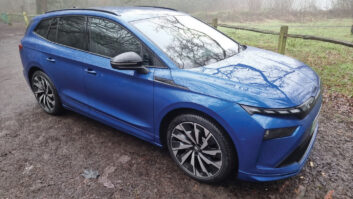
The Polestar posts some impressive numbers. It’s very heavy, with a kerbweight of 2579kg. Some electric tow cars can’t make the most of potentially favourable matching ratios because of low towing capacities, as is the case with the Škoda Elroq 85 Sportline, but the Polestar is approved for towing 2200kg.
Like most upmarket electric cars, there’s no shortage of power for pulling a caravan. The 3 has an electric motor for each axle with totals of 483bhp and 620lb ft of torque. The combination of weight, power and four-wheel drive bodes well for towing ability.
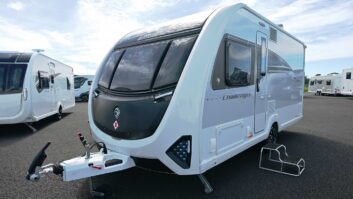
There’s only so much to be learned from a spec sheet, so I put the 3 to the test pulling a Swift Challenger 590 with a Mass in Running Order of 1419kg, borrowed from Raymond James Caravans in Atherstone, Warwickshire.
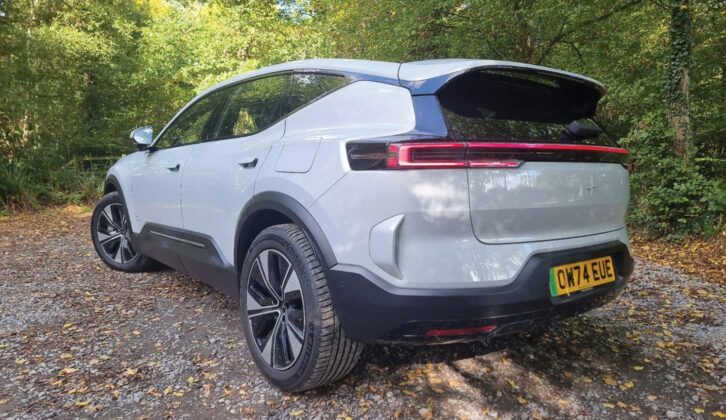
Hitching up a caravan was easy enough, although you can only just see the towball in the rear-view camera.
However, the chances are you’ll need to change your caravan towing mirrors because the Polestar 3 uses frameless door mirrors with no lip for a conventional mirror to clamp to.
This annoyance aside, the 3 tows very well. With two strong motors, the Polestar accelerates more quickly while towing than some cars achieve in solo driving. With just one forward gear, there’s no dithering while a gearbox makes up its mind – just a smooth and immediate response to the throttle.
It’s very easy to maintain speed on hilly roads. In fact, care must be taken to avoid going faster than intended. Without normal engine noise it’s possible to underestimate the speed of car and caravan unless the driver keeps a close eye on the speedo.
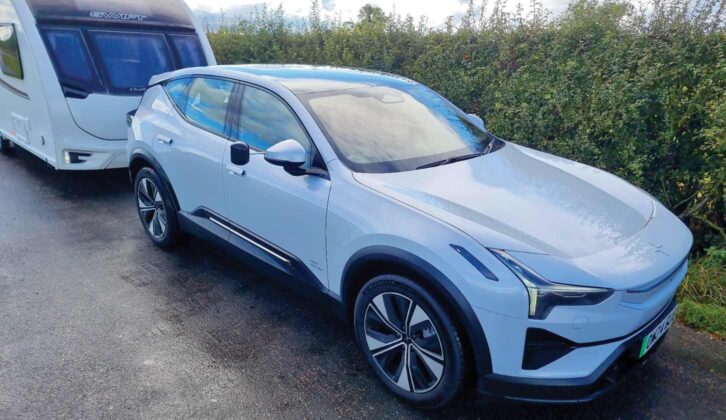
At 60mph on the motorway (see: speed limits when towing a caravan for more on this) the Polestar 3 tows straight and true. There’s really very little movement even in crosswinds or around high-sided vehicles.
The 3 can be set up for ‘one pedal’ driving, with strong regenerative braking as the driver eases off the throttle. Setting this feature to its lower level or turning it off entirely made it easier to slow gently to avoid any risk of instability caused by slowing abruptly.
You’d need a very steep hill to challenge the Polestar’s ability to start on a slope while towing, even on a damp surface – and see my tips for towing a caravan in heavy rain if you want some advice on touring in wet weather.
Solo driving in the Polestar 3 Long Range Dual Motor
The Polestar 3 can be specified with the Performance Pack for even quicker acceleration, but it’s hard to justify. It may drop the 0-62mph time from 4.8 to 4.5 seconds but it also reduces the range by 52 miles.
In standard guise the Long Range Dual Motor is more than quick enough. Some high-performance electric cars are exciting in a straight line but uninspired when the road starts to twist and turn. While it’s no sports car, the 3 handles with poise and agility for something so big and heavy.
The Long Range Dual Motor has air suspension which can be tuned for comfort or sporty firmness. At its most comfortable, the 3 makes a relaxed and quiet cruiser. There’s a little road noise but almost no wind noise – it’s almost like travelling by high-speed train, such is the quiet in the cabin.
Over-shoulder visibility is poor, so it’s just as well that the all-round cameras and sensors help with parking.
Space and practicality
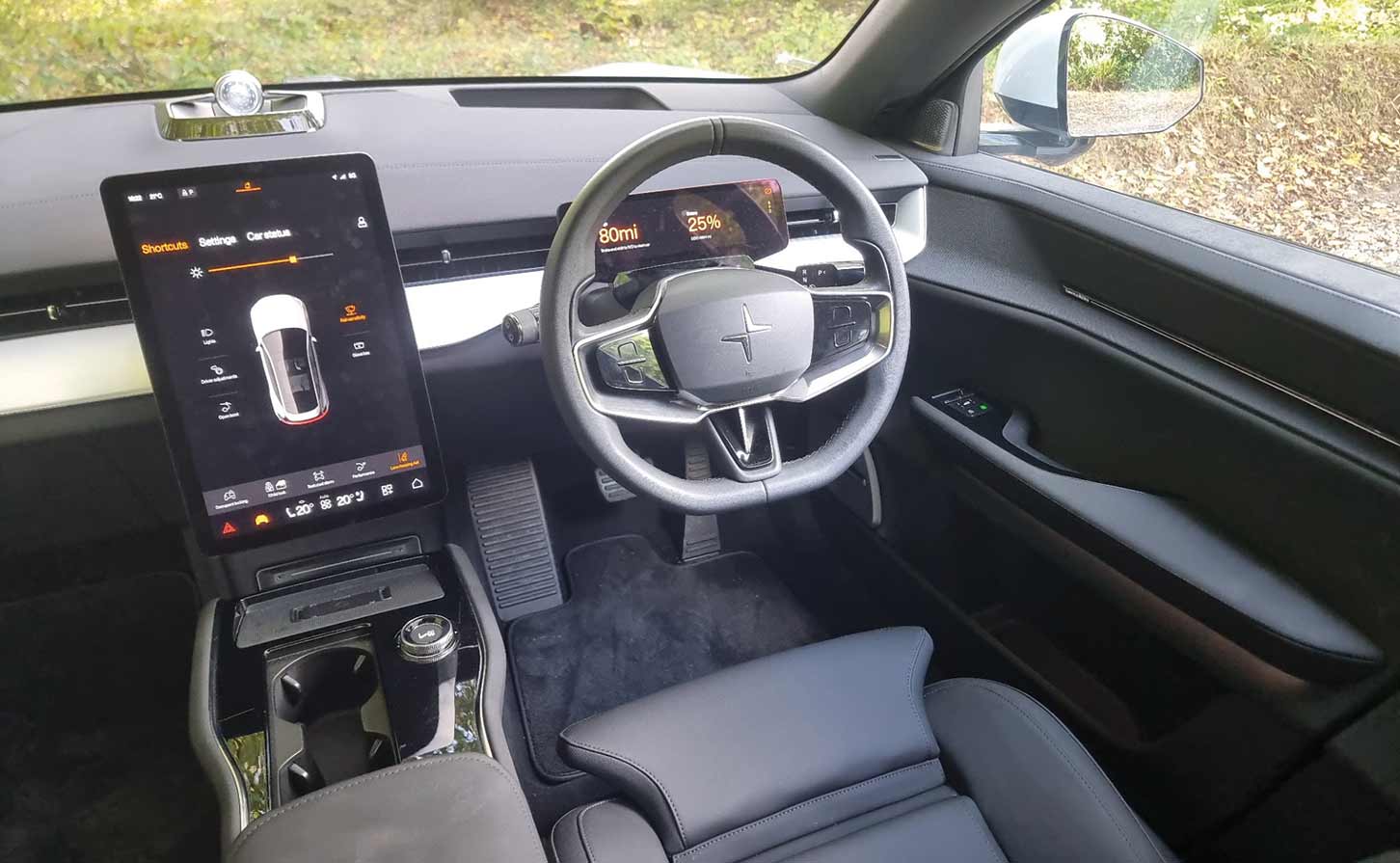
The interior of the Polestar 3 has a modern, minimal design and uses sustainable materials extensively. It’s a handsome-looking cabin, although perhaps a little austere for some tastes.
There are very few physical controls, with most functions accessed through the large, high-resolution touchscreen.
Although the menus are reasonably easy to navigate, this makes simple everyday jobs such as adjusting the mirrors and steering wheel unnecessarily fiddly.
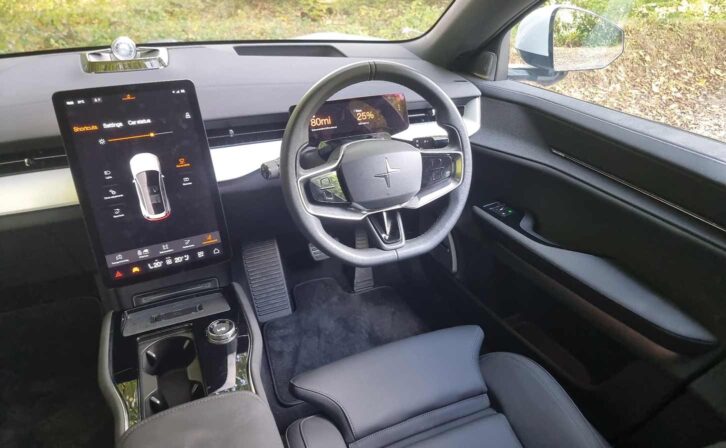
At least the electrical seat adjustment uses a control on the side of the seat rather than yet another menu. I found the seat and driving position comfortable on a long drive.
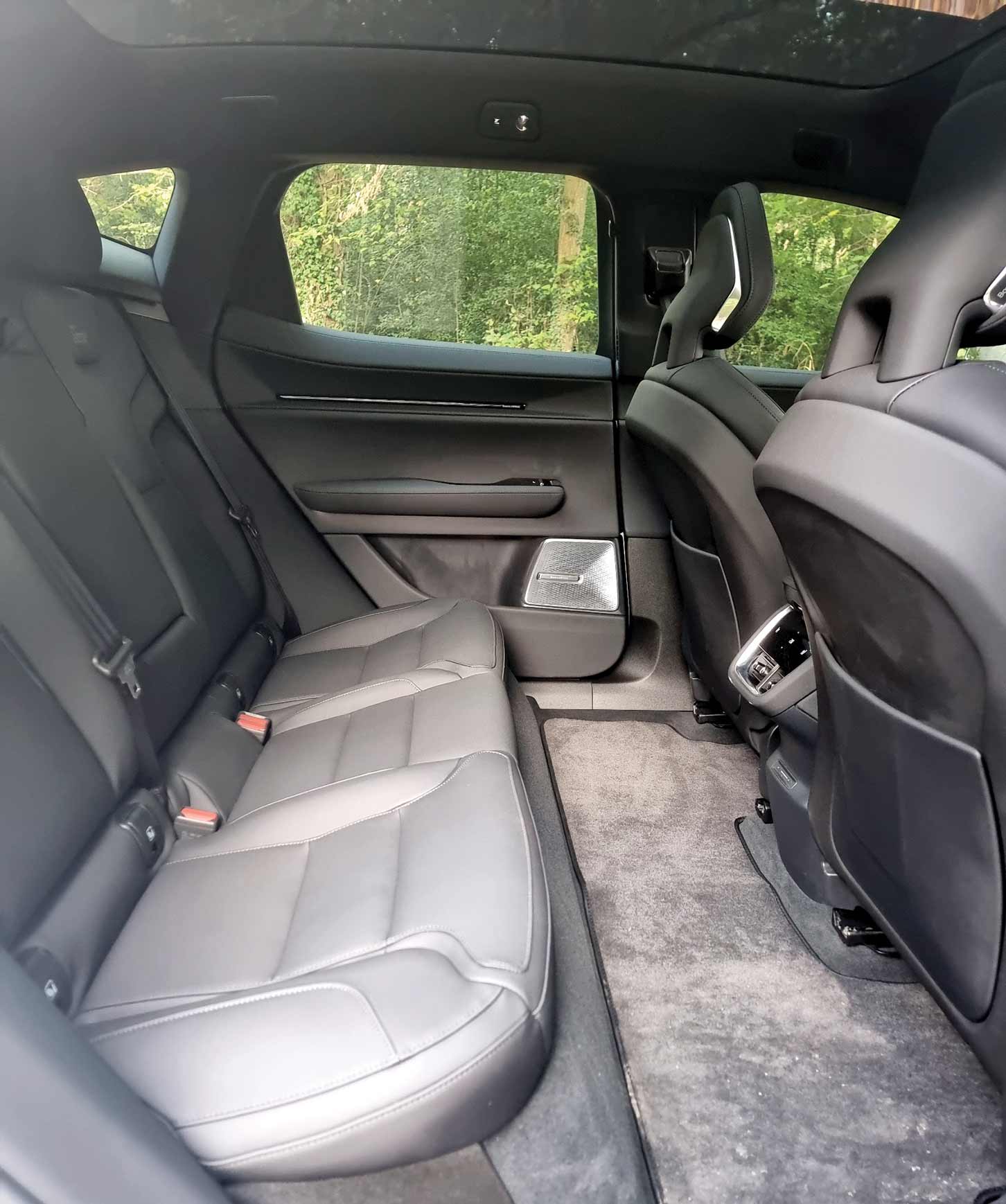
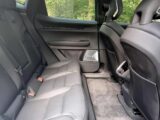
There’s plenty of space in the back, with a flat floor, separate air-con controls, and USB-C ports for charging phones and tablets. An armrest folds out from the seat if there’s nobody sat in the middle, and it contains two pop-out cupholders.
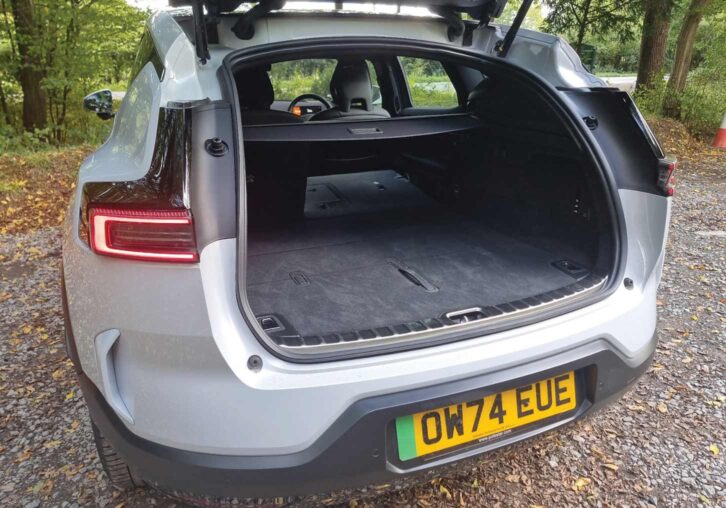
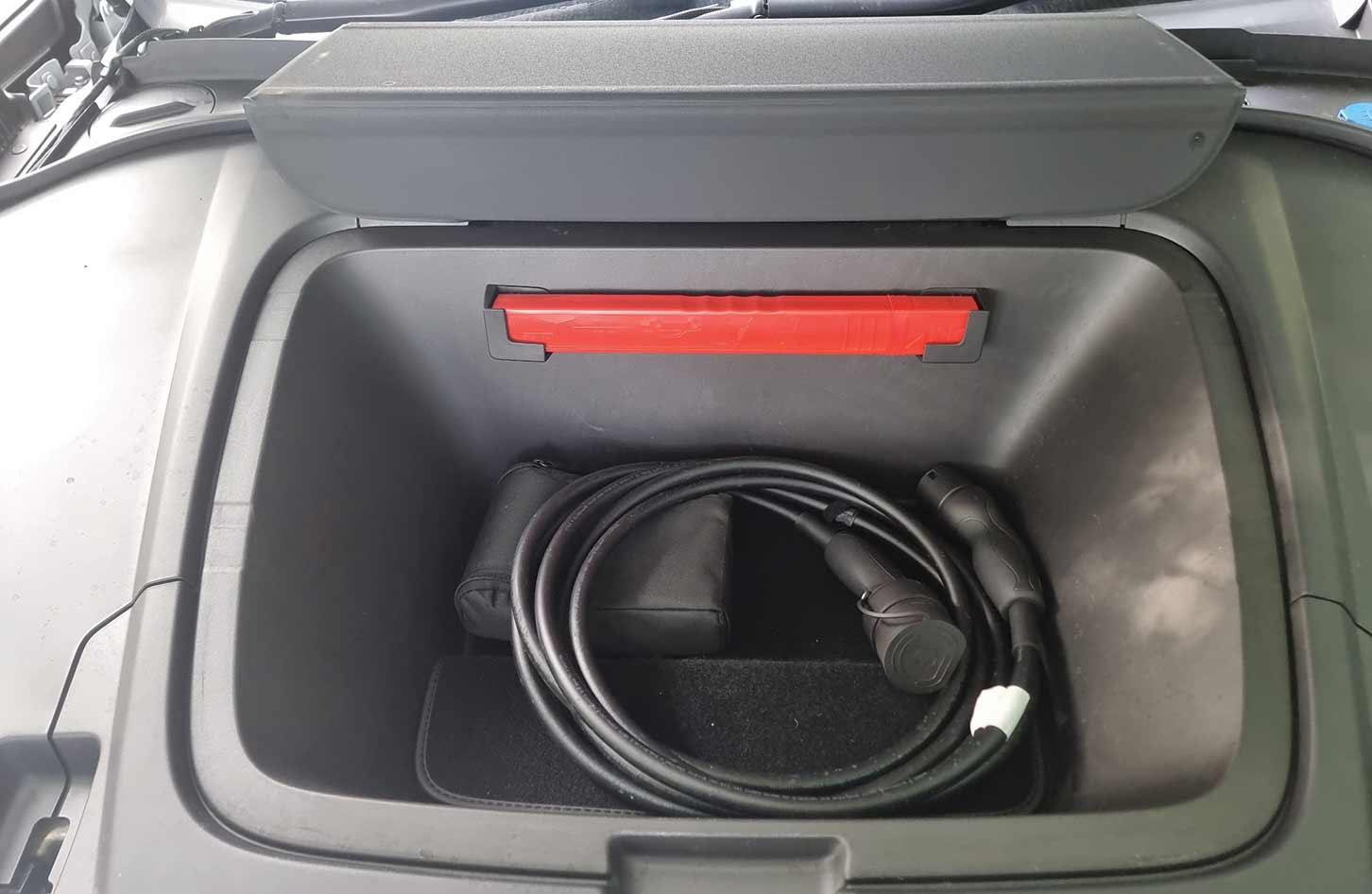
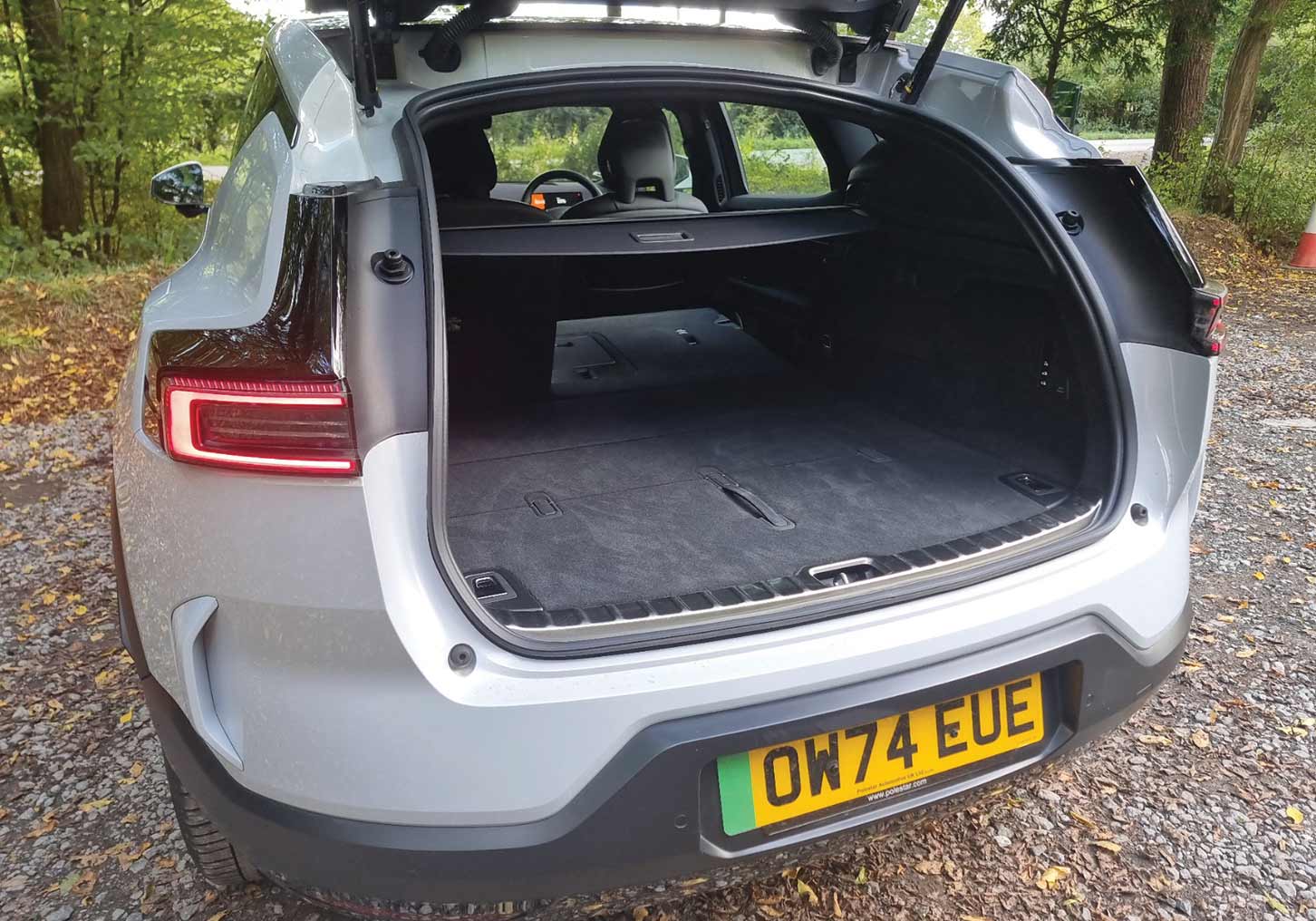
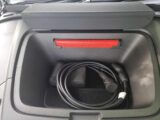
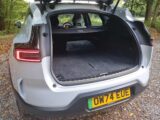
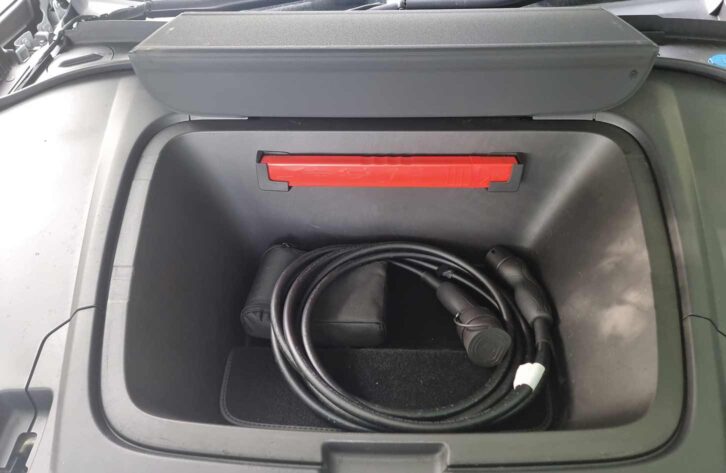
Boot space is a respectable 484 litres – not bad, but a little behind a BMW iX’s 500 litres. There’s space under the boot floor and a few more litres in the ‘frunk’ (front trunk) where the charging cable is stowed.
Buying and owning the Polestar 3 Long Range Dual Motor
At £75,910, the Polestar 3 Long Range Dual Motor is a premium product. It’s competitively priced with the BMW iX and Mercedes EQE SUV. That said, a Kia EV9 offers seven seats for similar money if you don’t mind a mainstream badge.
The official range is a useful 390 miles, with recharging speeds of up to 250kW. That promises a 10-80% charge in around 30 minutes, provided you can find a sufficiently powerful charger.
During our towing test over a mix of town driving, A-roads and motorways, the Polestar covered 1.667 miles per kW of electricity, giving a range of 178 miles.
See my advice on how to charge an EV while towing if you’re after some guidance on making the process as straightforward as possible.
Alternatives to consider
As well as the EV9, you could also consider the Kia EV6 GT-Line AWD, a towing car that I labelled “superb” when I put it to the test, thanks to its spacious interior and an increased towing capacity.
Alternatively, you could consider a different type of car, such as the Volvo XC90 T8 AWD Ultra, a plug-in hybrid which I thought offered plenty of reliability and a spacious interior when I put it to the test.
Technical specification of the Polestar 3 Long Range Dual Motor
- Price: £75,910
- Kerbweight: 2579kg
- What Car? Target Price: N/A
- Retained value after three years: N/A
- Kerbweight: 2579kg
- 85% of kerbweight: 2192kg
- Gross vehicle weight: 3050kg
- Max towing limit: 2200kg
- Gross train weight: 5250kg
- Towball limit: 100kg
- Price of tow ball: £1200
- Boot size: 484-1411 litres
- Payload: 471kg
- Test conditions: Damp
- Battery size: 107kWh (net)
- Power: 483bhp
- Torque: 620lb ft
- Official range: 390 miles
- Towing range: 178 miles
- CO2 emissions: 0g/km
- First year car tax: £10
- Second year car tax: £620
- Insurance group: 50
- Euro NCAP overall protection rating: 5/5
Something caravanners may have heard about is the recent rule changes on touring in Europe; if you’re unsure about it, I talk you through what you need to know about registering a caravan for Europe.
If you enjoyed reading this article, why not get the latest news, reviews and features delivered to your door or inbox every month? Take advantage of our brilliant Practical Caravan SUBSCRIBERS’ OFFER and SIGN UP TO OUR NEWSLETTER for regular weekly updates on all things caravan related.
Technical Specifications
| Kerbweight | 2579 kg |
| 85% KW | 2192 kg |
| Towball Limit | 100 kg |
| Maximum Towing Limit | 2200 kg |
| Power | 483 bhp |
| Torque | 620 lb ft |
| Offical MPG | N/A mpg |
| Towing MPG | N/A mpg |