

Earlier this year, I took a rather exciting delivery: a very shiny, brilliantly yellow 2024 Eriba Triton from the kindly team at Kool Classics, who have lent me one of their more modern caravans to help with another dog-friendly travel guide.
It’s all quite novel to me: caravan solar panels, hot water, an onboard toilet. All luxuries I am not afforded in my own 28-year-old Eriba Familia, and the type of luxury caravan accessories and gadgets that would no doubt seem unbelievable to the five men who got together in a field with their bikes and a few tents well over a century ago to found the Association of Cycle Campers.
Happy anniversary
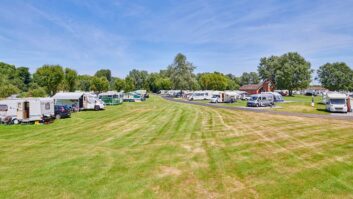
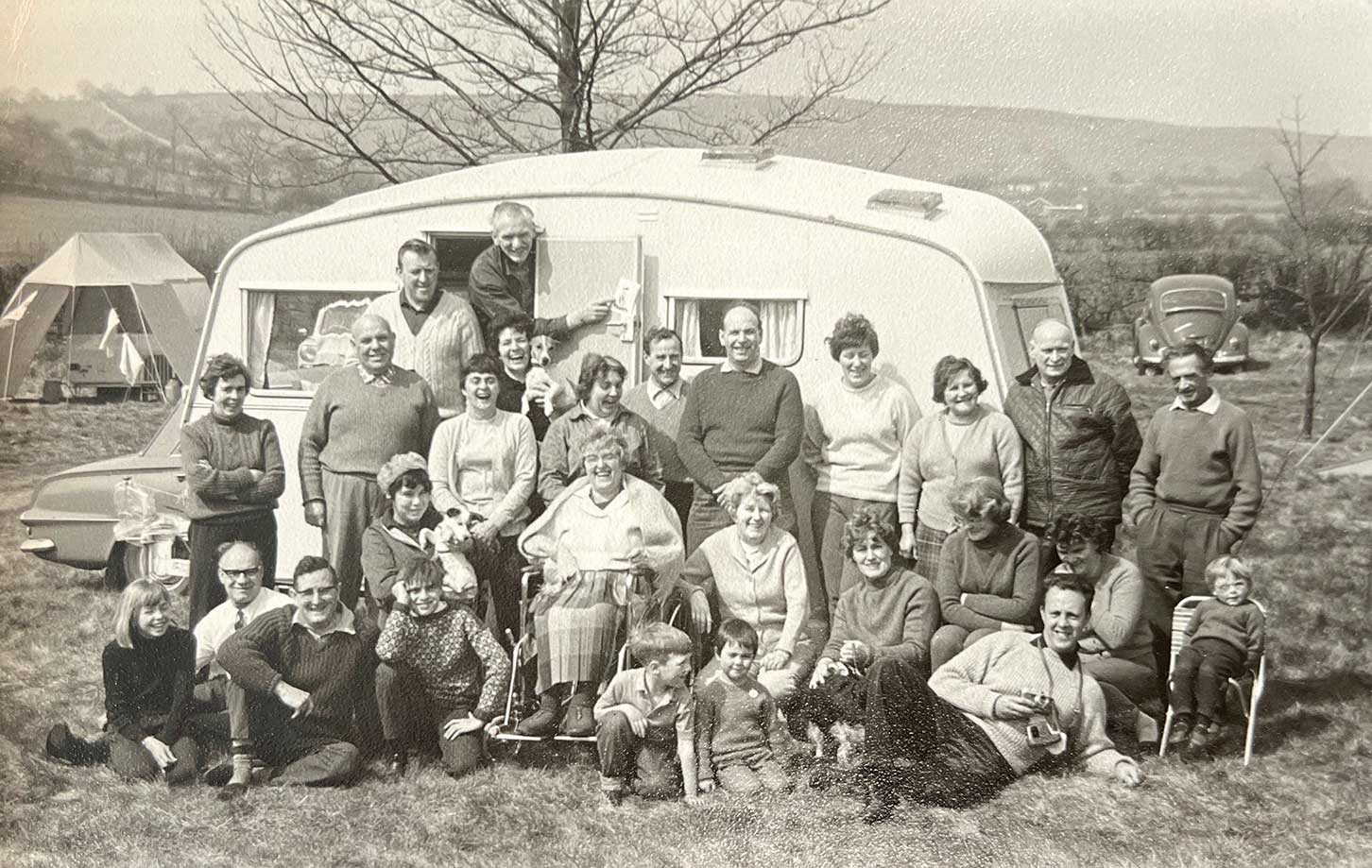
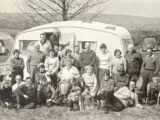
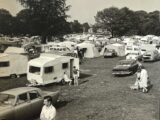
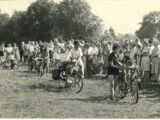
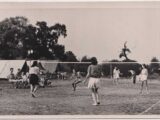
This summer marks 125 years since that moment, which was the founding of what we now know as the Camping and Caravanning Club. Much has changed in the world of camping since those days of canvas and bicycles – not least the club’s name, which has been through various iterations until they settled on its present identity in the 1980s. But the principles of it largely remain the same: to bring the outdoors lifestyle to all.
“It was very much about trying to introduce people, those without deep pockets, people who weren’t the most well-heeled, to camping and the outdoors,” says former editor of Practical Caravan Rob Ganley, who now works for the club.
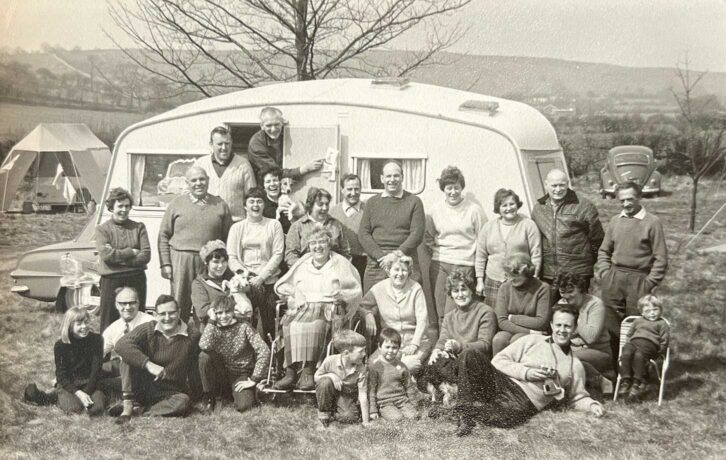
Back in 1902, membership to the Association of Cycle Campers cost just one shilling – the equivalent of around £5.36 today – and by 1909 it had launched a supplies store to provide lightweight equipment to members.
Today, though, with thousands of independent campsites (as a look at the results of Practical Caravan’s Top 100 Sites Guide 2026 show), the relative affordability of camping equipment – you can get a tent for less than £50 brand new – and the reasonably extensive public transport networks across the UK, it begs the question: what is the purpose of a camping club today? Is the outdoors lifestyle not more accessible than ever?
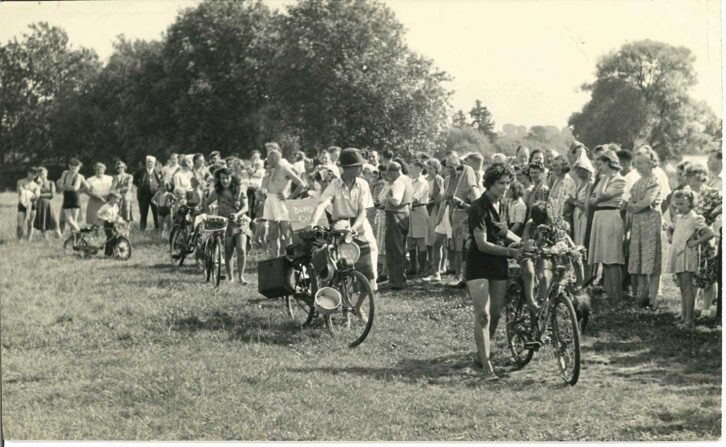
“As well as operating campsites and a membership organisation with all the unique products and services we can offer, such as breakdown and insurance,” says Rob, “the club plays a really significant role in representing the interests of caravanners, motorhomers and tent campers of all sorts.”
In fact, it has long been involved in advocacy for campers: it was part of the Lake District National Reserve Committee in the 1930s to help lobby against legislation being brought in that threatened the future of camping.
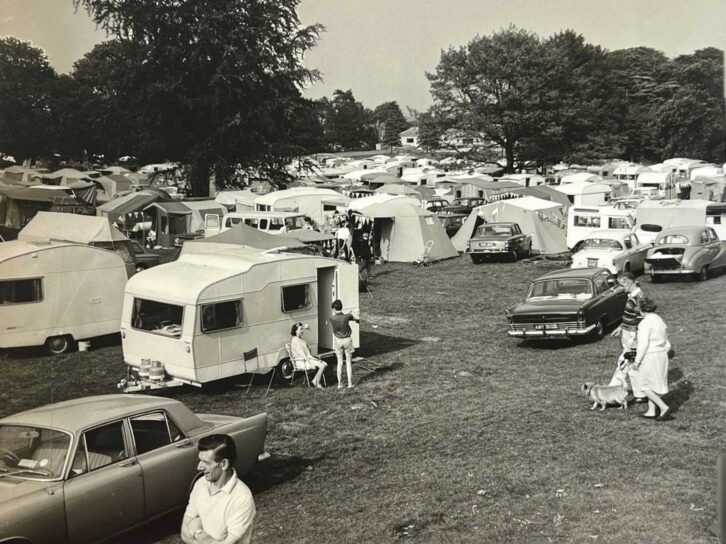
Nowadays it works to champion the interests of campers on everything from infrastructure for electric tow cars pulling caravans to the rules and regulations around going overseas (if you’re taking your tourer on the ferry or Eurotunnel this summer, don’t miss our tips on registering a caravan for Europe).
Changing world
In its 125 years, the club has seen many rules and regulations change the shape of the camping world. “The Holidays With Pay Act in 1938 gave people more time to go camping and explore the outdoors with a tent in their backpack or on their bike,” says Rob. The Caravan Sites and Control of Development Act in 1960 transformed caravanning from a largely unregulated sector to a structured, commercial industry.
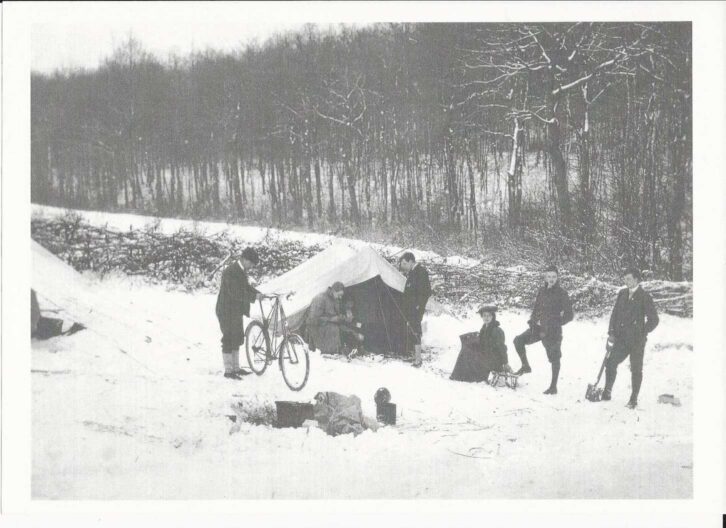
“Things have certainly changed. In the early days, people were largely making their own equipment and a lot of our members were incredibly innovative,” says Rob. The club’s founder, Thomas Hiram Holding, made all his own lightweight camping equipment back in 1901, and a 1912 club newsletter references an Elsie Wallace, who made a ‘proofed lawn apron’ to keep her skirt dry while she was cycling.
“Today, we have half-million-pound motorhomes where you can park a sports convertible in the garage. But the basics remain the same. You’ve got some canvas overhead, you’re out there under the stars or cooking some food al fresco. You’re spending that time with people who matter to you. Everything’s just a little bit more comfortable now.”
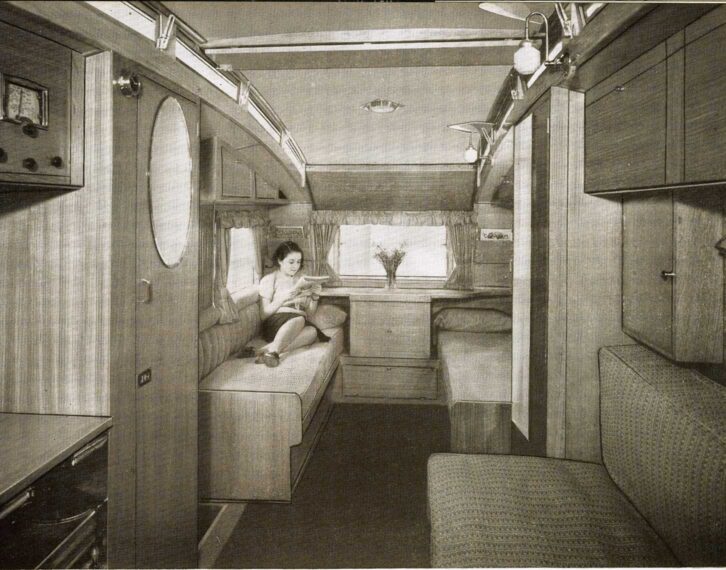
A little bit more comfortable, indeed. That’s certainly what I am in this new Eriba, with its electric heating and dimmable lights – and did I mention that game-changing onboard loo?
But we – and the club – mustn’t rest on our plumply cushioned laurels. There are challenges ahead, says Rob, when I ask him what the future looks like for the club. “I think access to the outdoors has been a challenge, and remains a challenge to a degree, but there are also challenges around electrification of vehicles, which is an issue for caravan and motorhome builders, and campsite operators.”
And so while the concept of a camping club might seem antiquated – and granted, it’s pretty old now at 125 years – it seems like just the sort of organisation we need to keep the camping sector on the straight and narrow as the world changes around us and our caravans. Who knows what camping will look like in 125 years’ time – let’s just hope the future generations are still at it.
Don’t miss what I had to say about the must-have accessories for caravanning with a dog, either, as I share the products that I think will make your touring experience easier.
You can follow Lottie on Instagram at @lottiegross
Images: The Camping and Caravanning Club
If you’ve enjoyed reading this article, why not get the latest news, reviews and features delivered direct to your door or inbox every month. Take advantage of our brilliant Practical Caravan magazine SUBSCRIBERS’ OFFER and SIGN UP TO OUR NEWSLETTER for regular weekly updates on all things caravan related.
It seems like just the sort of organisation we need to keep the camping sector on the straight and narrow as the world changes around us and our caravans