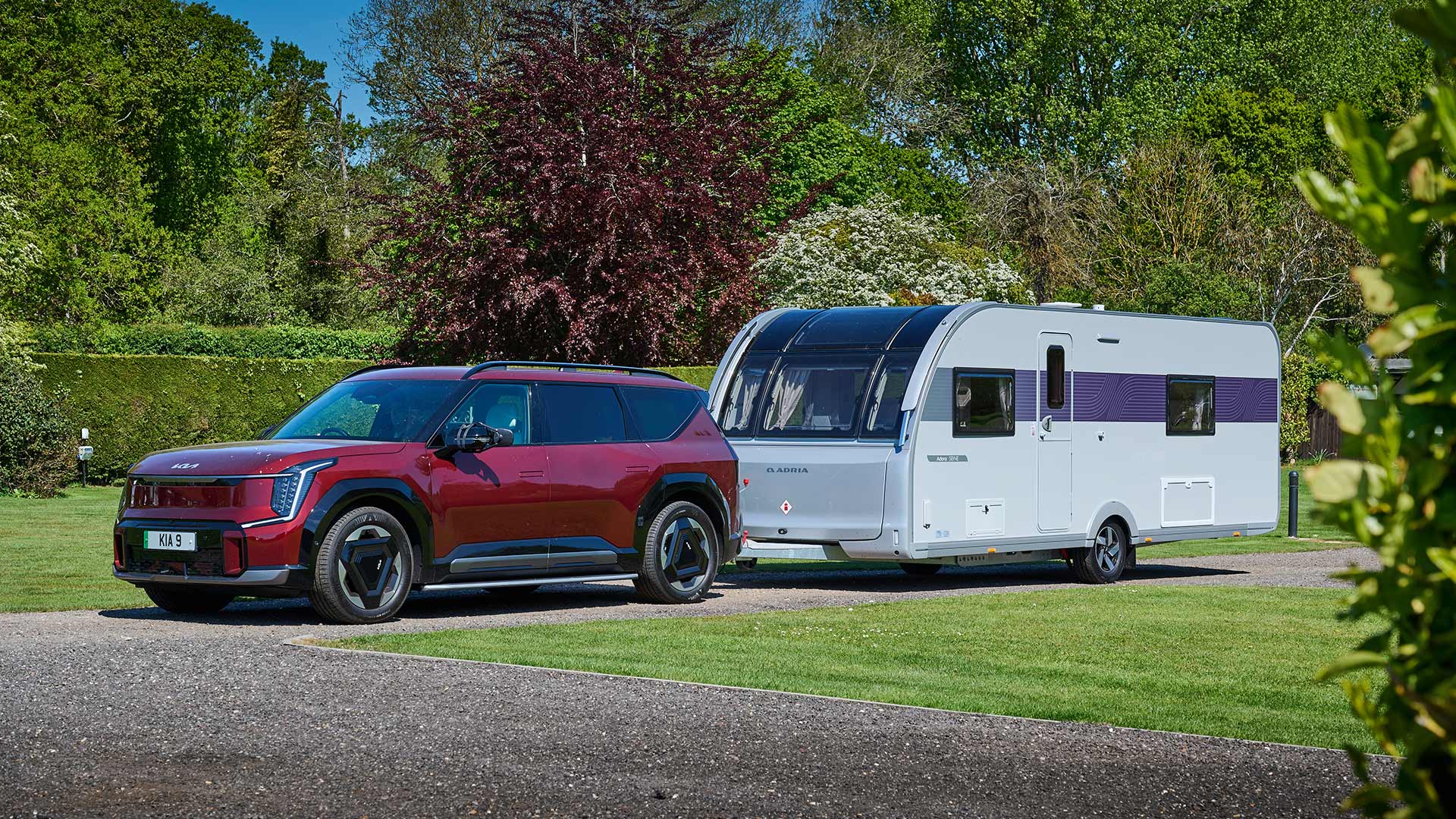
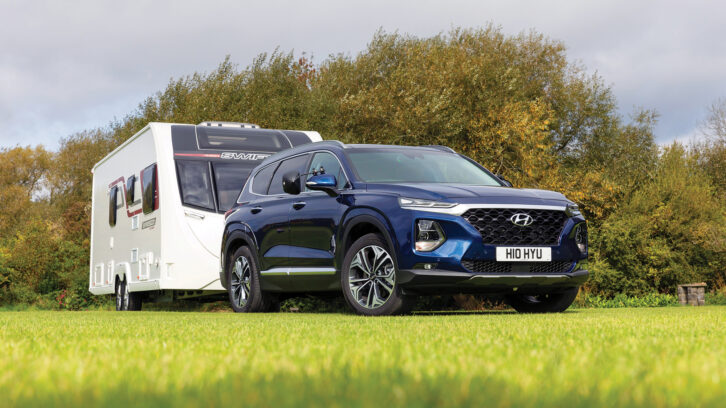
A little preparation can go a long way when you’re towing a tourer, helping you avoid those small mistakes that can end up having big consequences. One highly useful method for ensuring you enjoy safe and trouble-free towing when you’re hitched up to a caravan is having a checklist – which is where this guide comes in.
While having one of the best caravan tow cars and the right towing gadgets will also play a significant role here, making sure you are well-prepared and have checked each of these off will help you ensure you’ve not overlooked any important steps.
Think of each one as having a tick box next to it, which you can check off each time as you prepare for your trip, so after hitching up a caravan to a car, you will be ready for stress-free towing.
The checklist
Caravan checks
Tow car checks
The final caravan towing checks
Caravan checks
Tyres
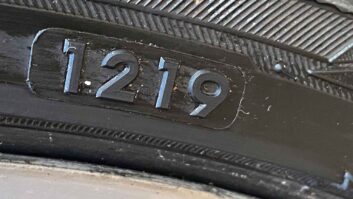
It’s easy to forget the caravan’s tyres, but they should also be in good condition and inflated to the correct pressures. Use a quality tyre inflator to inflate them before you set off on your trip. Don’t forget to carry out the appropriate caravan tyre safety checks either.
Load secured
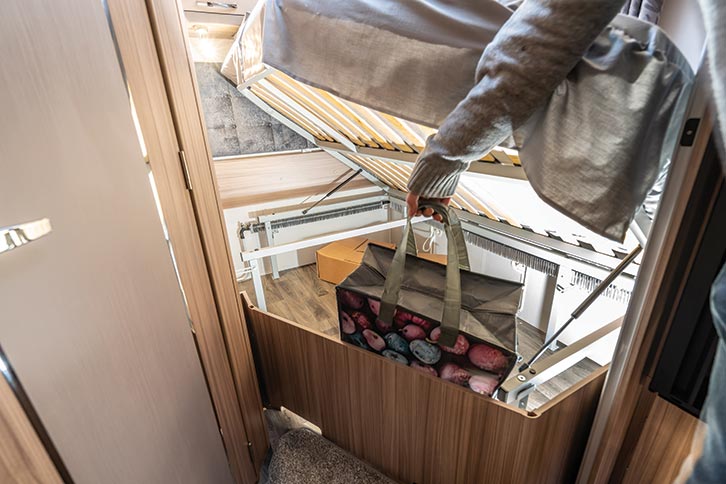
When you load a caravan, make sure that heavy items are low down and close to the axle (or axles). Secure the load with some non-slip matting or cargo bars. It’s a good idea to check that nothing has moved whenever you stop along the way to break up the journey.
Gas
Before setting off, make sure that the gas cylinder is turned off. If you are involved in a collision an open gas valve is unsafe. Likewise, if a connection works loose during your journey, an open gas valve could lead to a leak.
Doors and skylights
Make sure all windows and skylights are closed to prevent possible damage and to keep water out of your tourer if it rains. Check all locker doors and the main caravan door are shut and locked before you set off.
Numberplate
Check the numberplate on the back of the caravan is in place and secured. Be sure to fit a new and correct numberplate when you change your car. If you’re regularly lending out your tourer, don’t miss our number plate plinth project, either.
Tow car checks
Oil level
A week or so before you are due to travel, check the car’s oil level. Doing so several days beforehand gives you time to buy more oil if needed, topping it up as required.
Washer fluid
Make sure your washer fluid is topped up. As with checking the oil, it’s a good idea to make this check a few days before your journey. This gives you time to buy whatever you need in good time.
Consider the type of washer fluid you use and make an appropriate choice for the season and weather. Some all-season fluids are suitable for year-round use but may need different dilution in summer and winter. As a rule, the cleaning performance will improve if you use a screen wash that’s specifically formulated for summer or winter weather.
Tyre condition
Regular tyre checks are no doubt part of your regular car maintenance routine, but tyre condition is especially important under the additional strain of towing. Check the condition of the tyres well before you travel, giving enough time to buy replacement tyres if necessary.
Look for any cuts and bulges in the sidewalls, and make sure there is at least the 1.6mm legal minimum of tread depth across the central ¾ of the tyre around the full circumference. The outer band of a 20p piece should disappear in the tread if there’s sufficient remaining, although a proper tread depth gauge is inexpensive and will help you keep a close eye on tyre wear.
Towbar
Look for any loose bolts or cracks in the towbar fitting. Check for rust and any signs of damage.
If your caravan has a stabiliser, make sure the towball is clean and dry. Don’t apply any grease as this will contaminate the stabiliser’s friction pads.
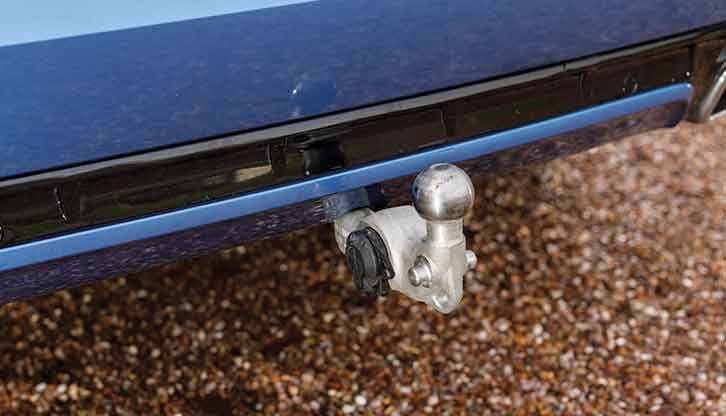
Should the towball need to be cleaned, use a degreaser such as brake disc cleaner. Emery paper can remove any light surface corrosion. Wipe off dust or cleaning fluid. thoroughly.
The final caravan towing checks
Tyre pressures
Set the car tyres to the correct pressures for towing. These may be different to those used in normal driving. The pressures will be listed on a door jamb, the inside of the fuel-filler flap, or in the driver’s handbook. Don’t forget to check the spare wheel if the car has one.
Breakaway cable
After lowering the hitch onto the towball, make sure the caravan’s breakaway cable is secured to a non-detachable point on the towing vehicle. Leave enough slack for turning and manoeuvring, but not so much that the cable drags on the ground.
Stabiliser in position
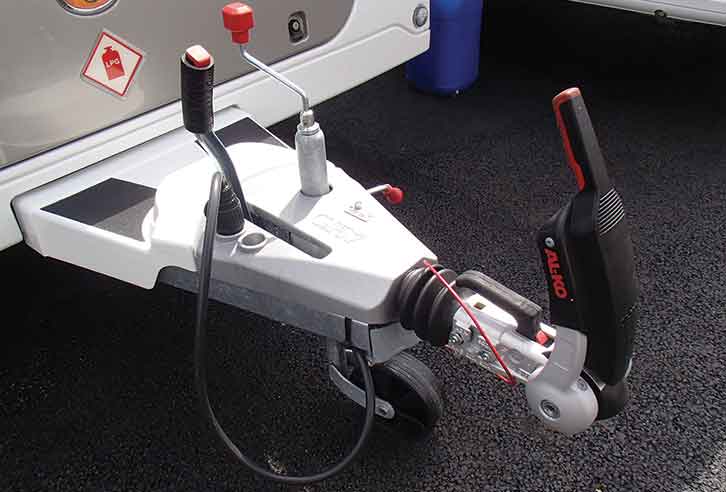
Lower the caravan stabiliser lever. This presses the friction pads against the towball to reduce any unwanted movement while towing.
Wind-back check
Caravan hitch heads have a visual indicator to show that car and caravan are securely connected. With Al-Ko stabiliser hitches, the button will pop up and show a green band. To be doubly sure, wind the jockey wheel to lift the back of the car slightly. If you can see the back of the car lifting slightly you know the connection is safe and secure. You can now stow the jockey wheel.
Handbrakes on and off
Make sure the car’s handbrake or parking brake is on, then take off the caravan’s handbrake.
ATC
If your caravan has Al-Ko Automatic Trailer Control (ATC), when you connect the caravan electricity supply to the car’s socket, you will hear a noise from the caravan as ATC switches on.
Check for a flashing green light on the A-frame which shows ATC is working properly.
Lights check
Check all the caravan lights are working properly. The indicators, brake lights, reversing lights and running lights should all be checked before you set off.
Extension mirrors
The best caravan mirrors are an important piece of equipment.
Fit extension mirrors and adjust them carefully (take a look at my guide on how to adjust towing mirrors for advice on this). This is easiest if car and caravan are in a straight line. You should be able to see four metres to either side, 20 metres behind you. Be sure the mirrors are snug and secure.
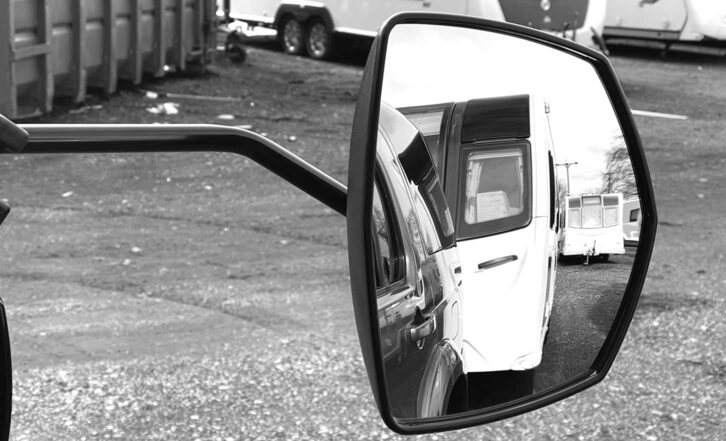
Most of the mirror should show the road behind you, but the sides of the caravan should also be visible in the glass – that way you can judge where other vehicles are in relation to your tourer.
Ready for take-off!
Check the list. If there is a tick in every box, you’re ready to go!
Future Publishing Limited, the publisher of Practical Caravan, provides the information in this article in good faith and makes no representation as to its completeness or accuracy. Individuals carrying out the instructions do so at their own risk and must exercise their independent judgement in determining the appropriateness of the advice to their circumstances and skill level. To the fullest extent permitted by law, neither Future nor its employees or agents shall have any liability in connection with the use of this information.
If you enjoyed reading this article, why not get the latest news, reviews and features delivered to your door or inbox every month? Take advantage of our brilliant Practical Caravan SUBSCRIBERS’ OFFER and SIGN UP TO OUR NEWSLETTER for regular weekly updates on all things caravan related.