








So you’ve decided the time is right to think about selling your caravan. Now you need to consider how you can achieve that sale with none of the pain or pitfalls that you might have been expecting!
It could be because you’ve decided to upgrade to one of the best caravans to buy in 2026, you’re thinking of downsizing from a larger family van to one of the best 2 berth caravans instead, or maybe you’ve decided to switch to a motorhome. No matter your reason, you’re going to want to get the best price you can.
To help you achieve the right result, we’re talking you through the various points to consider, including advice on selling a caravan to a dealer or privately, sharing tips on preparing your tourer and sprucing up the interior, and explaining how you can take good photos.
Practical Caravan is supported by its audience. When you purchase through links on our site, we may earn an affiliate commission. Learn more
You can also jump to a particular section below.
Selling a caravan to a dealer
Selling a caravan privately
Preparing to sell a caravan
Spruce up the interior
Clean the interior
How to take great photos of your caravan
Selling a caravan to a dealer
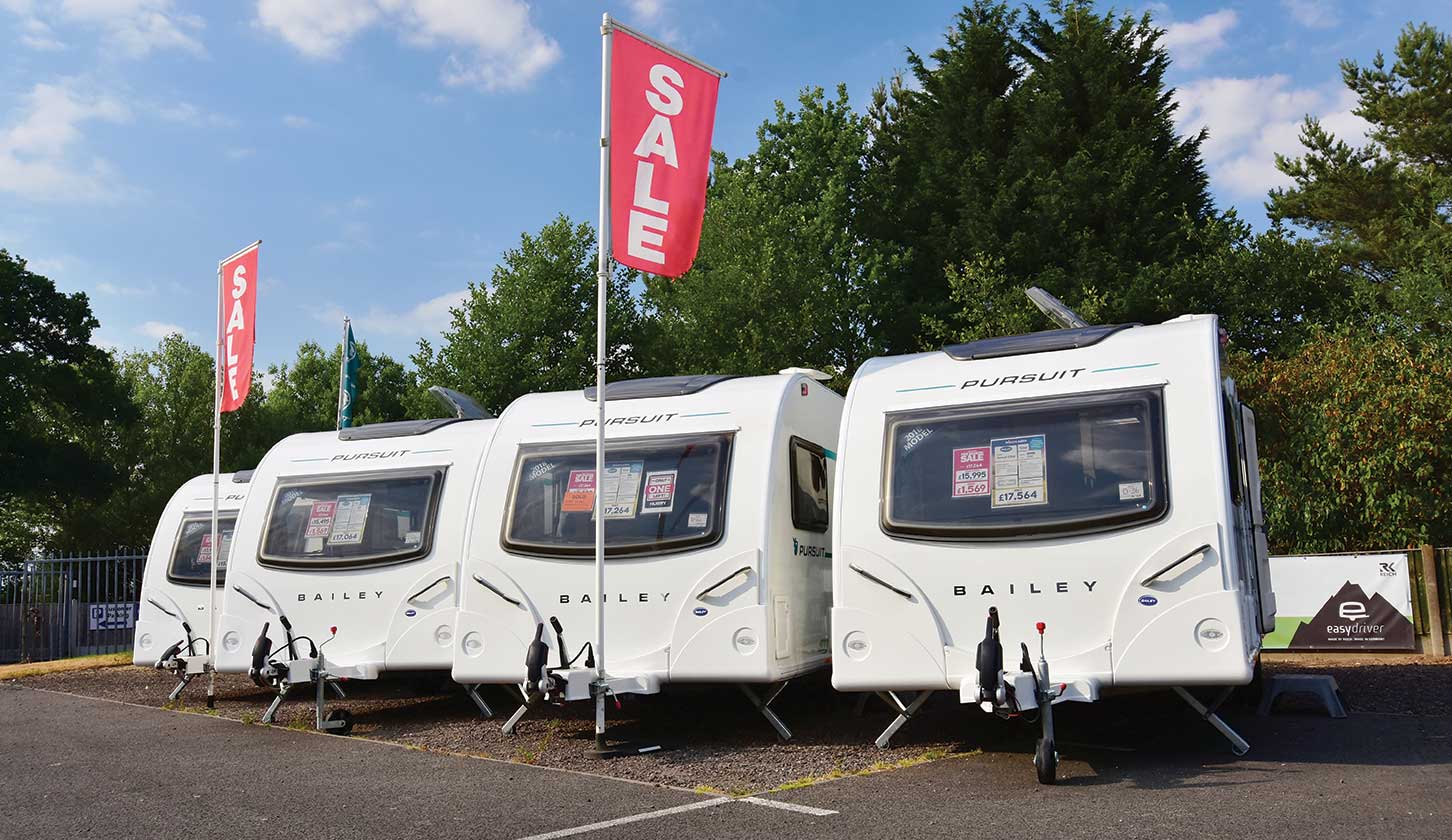
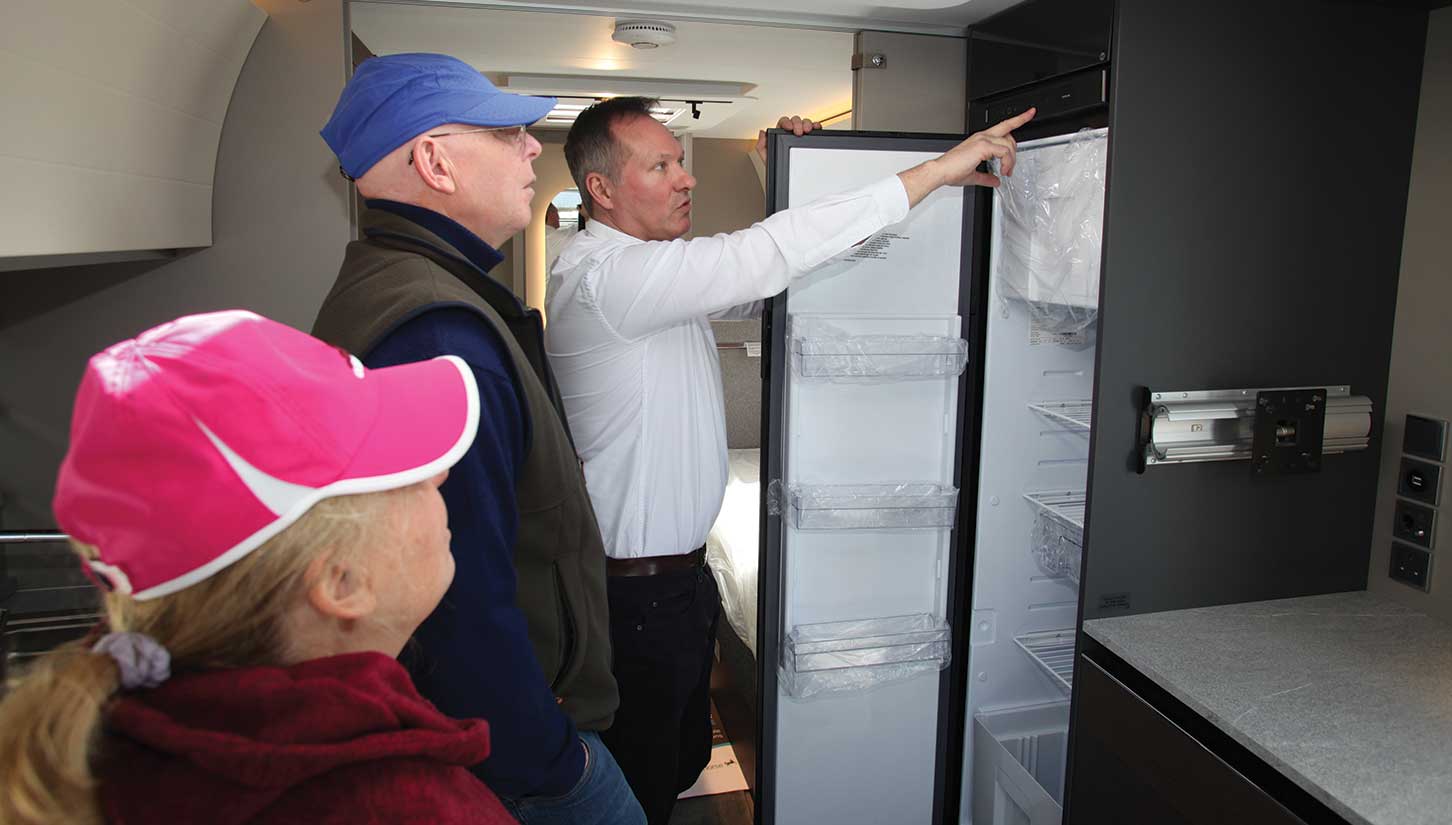
Let’s start with the easiest method of selling your caravan: going to a dealership or calling them to find out the sort of price they might offer for your tourer.
Remember, a dealer will usually only offer you a trade price. This means that they will probably set a lower price for buying your tourer because you’re not trading it in for another model to be found on their forecourt.
This can be up to several thousand pounds below prices you might see for similar models on sale elsewhere.
Be up-front with the dealer and let them know about any problems you’ve noticed that your van might have.
In addition, and importantly, make sure it is presentable (there will be more on cleaning a caravan later). Give it a good clean and be sure to empty the toilet cassette!
Once you have agreed on a price, the dealer is likely to pay you by bank transfer, and when the paperwork is done, you can be on your way.
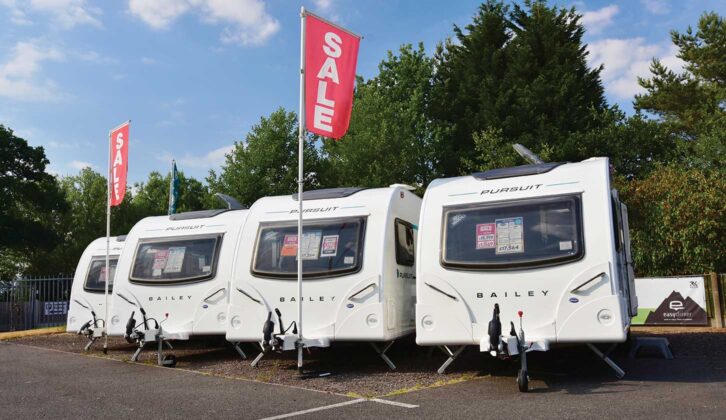
Another option is to sell your van via the dealership. I have found this works well in most cases, but you do need to check the percentage the dealer wants from the sale. They might suggest a price you find too low. However, dealers know their market, and will usually set the price appropriately.
You can, of course, ask for a higher price, and the dealer might agree to see if they get any interest from buyers. Dealers will normally put a sign in the caravan window, saying that they are ‘Selling on behalf of a customer’.
Selling a caravan privately
Options for private sales are broader these days – auction sites are just one possibility, offering you the chance of reaching a wider audience, which might see someone pay a bit more for your tourer.
On eBay, you can list your van as a Best Offer, Bids or a Buy It Now sale, but whichever you choose, do remember to allow for the website’s fees.
In addition, you might find a buyer who later decides that they want a refund, which can become tricky to manage.
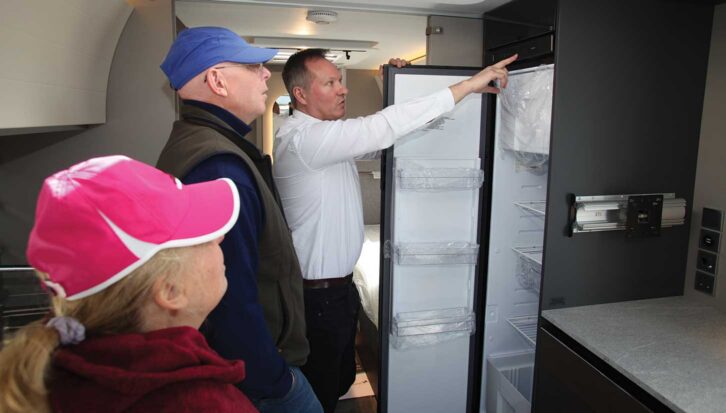
In any advert, make sure that you are completely clear about the caravan’s condition.
Selling caravans can also be carried out using a classified site such as Auto Trader. You pay a set fee, which depends on how long you want to keep your ad live. As with the auction sites, you can also add images and video.
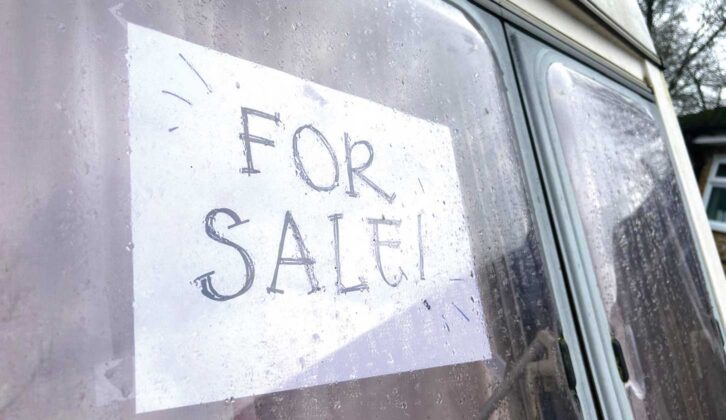
Another way is even simpler still – put the tourer on your drive with a ‘For Sale’ sign in the window! Ideally add ‘Apply Within’ for the price.
Other ways to sell include online services which offer an initial price for the caravan unseen, then someone will inspect it for damp and damage and carry out the usual checks, such as outstanding finance.
If they find any problems, they will reduce the price that has been offered to you.
If you do have outstanding finance on your caravan, some dealerships and buying services will be able to help you sort this out – just be clear with them about it from the outset.
Finally and importantly, be wary of scammers. You might be contacted from someone claiming that they live abroad, who wants to buy the van and requests to have it shipped to them – for a fee. Alternatively, you might hear from someone claiming to be a broker, with the perfect buyer just for you – again, for a fee. Check out all potential buyers carefully.
Preparing to sell a caravan
If you are selling your caravan in winter, prices offered are likely to be lower. Early spring is the best time to sell. Ensure you have all necessary documentation ready to hand; this includes CRiS registration documents, receipts, service checks and details of repairs. You’ll also need the caravan and appliance handbooks, if they are available. Damp tests and results are essential, too.
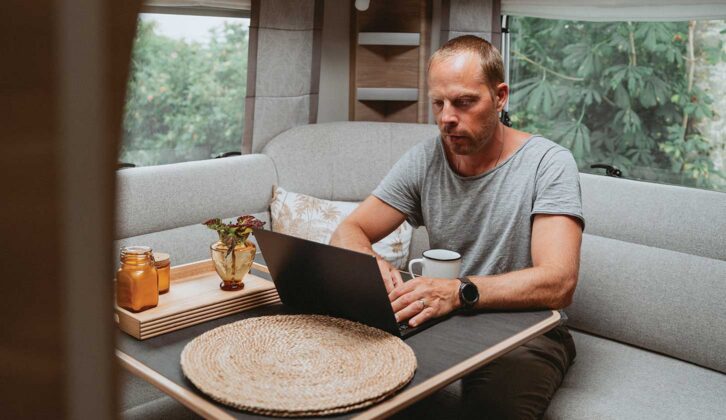
We’d recommend getting a caravan servicing conducted, it costs around £180. If you store your caravan at home, getting it set up to sell will be easy: you can plug in the electrics, level it up and connect the gas. If your van is in storage, you will probably have to let the site owner know that you have someone coming to look at it.
Also, find out if any electric hook-up points are available.
Spruce up the interior
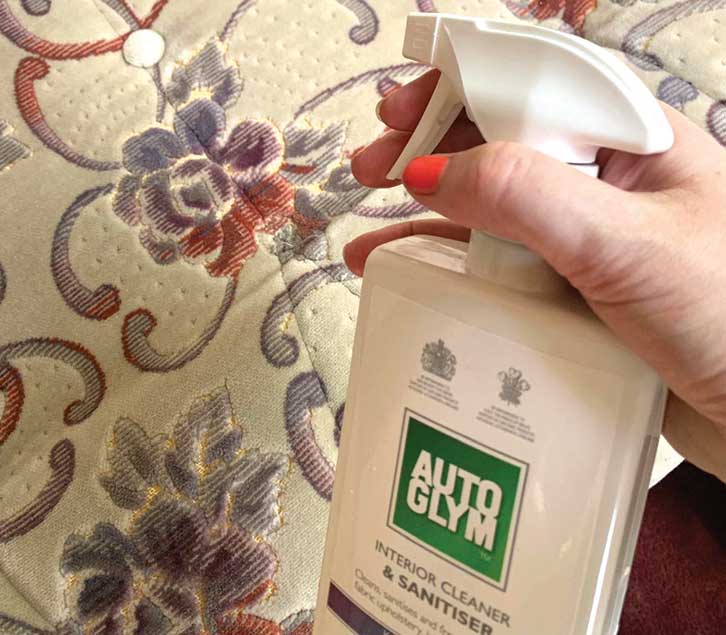
Inside, ensure cushions and soft furnishings are clean and the mattress is still supportive and comfortable. Make up the bed to show how it looks.
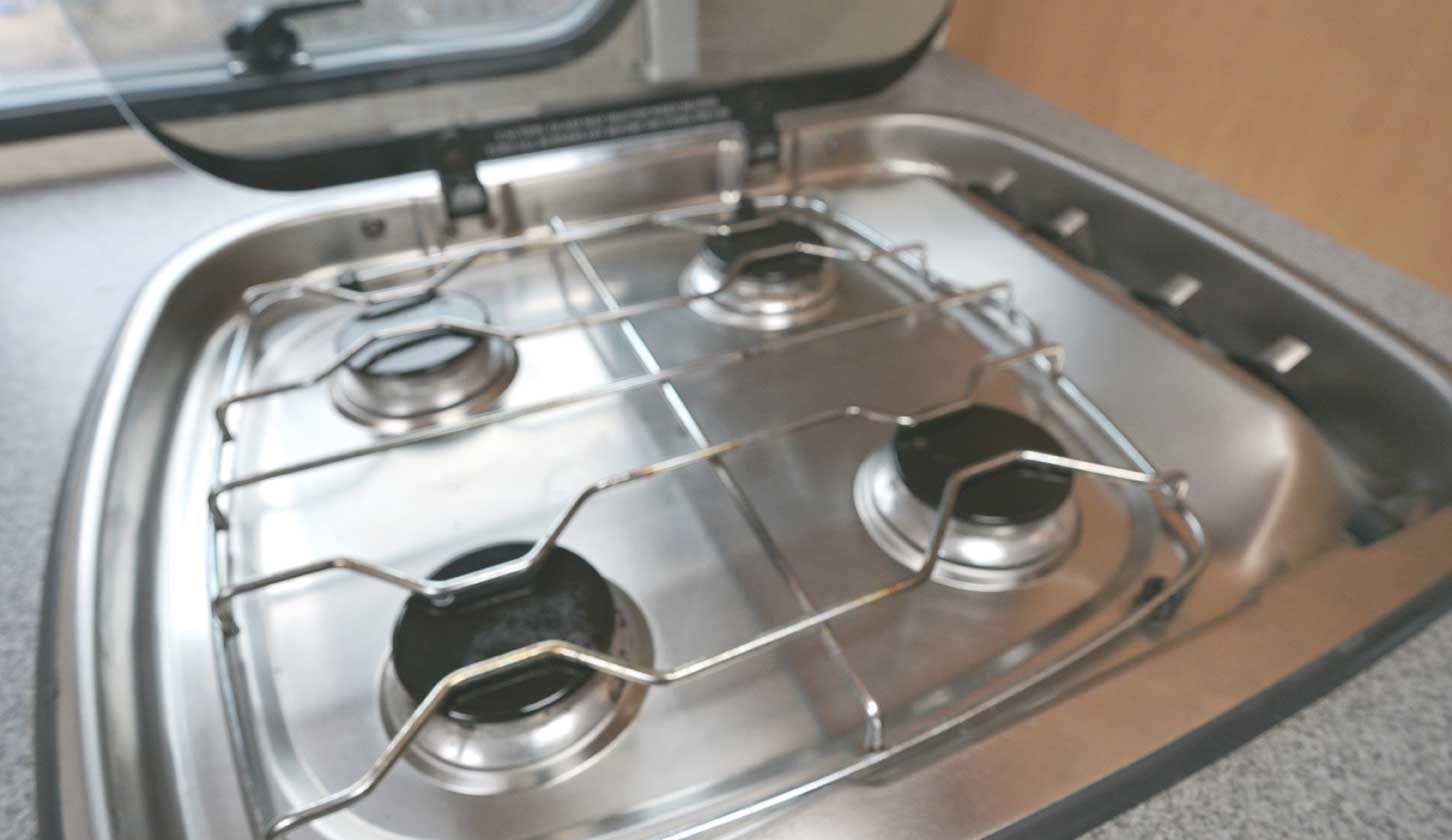
Deep-clean the kitchen and make sure the hob works, as well as the oven and fridge. Clean the microwave and if you can, connect up the water systems.
Check all the cupboards are clear, too – it’s easy to miss something tucked away right at the back! Reach for the best caravan vacuum cleaner and give all the carpets a clean, and wipe the inside of the windows.
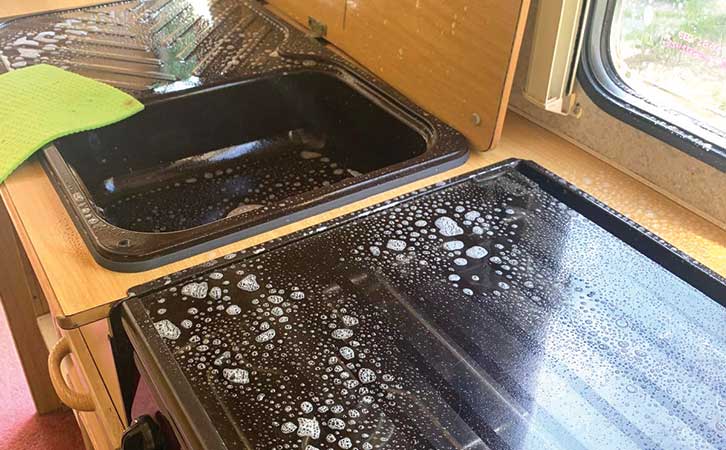
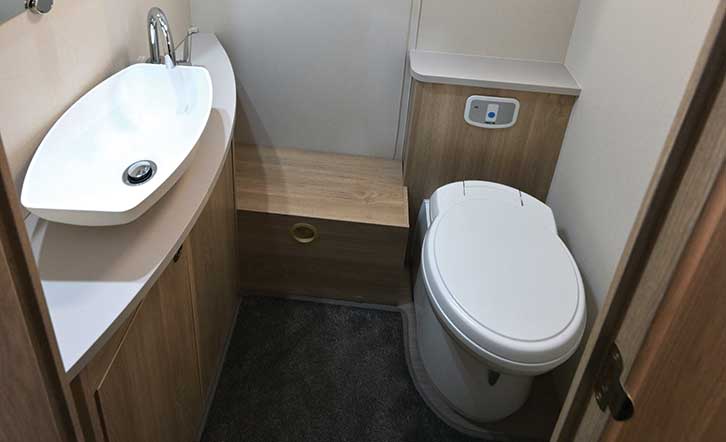
Clean the inside of all the rooflights, especially the Heki. Make sure the washroom is spotless and fresh. Put new flush liquid in the clean toilet – one dealer now levies a ‘fine’ if the toilet has not been cleaned.
Clean the exterior
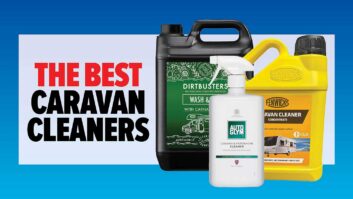
Now it’s time to reach for the best caravan cleaner. Give your van a thorough wash, using a soft-brush extending arm and a pair of stepladders (with a helper to hold them).
Don’t be tempted to use a full-blown power washer, which can cause damage to the seals, but do use a hose for rinsing off.
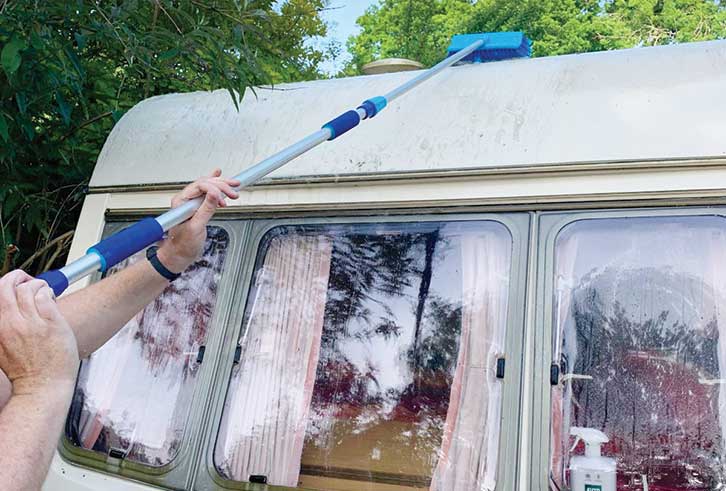
Start with cleaning a caravan roof, using a quality car shampoo and changing the water regularly as you work down to the sides.
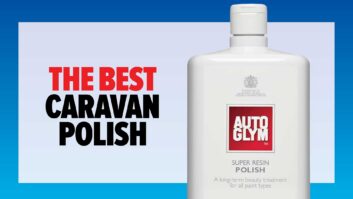
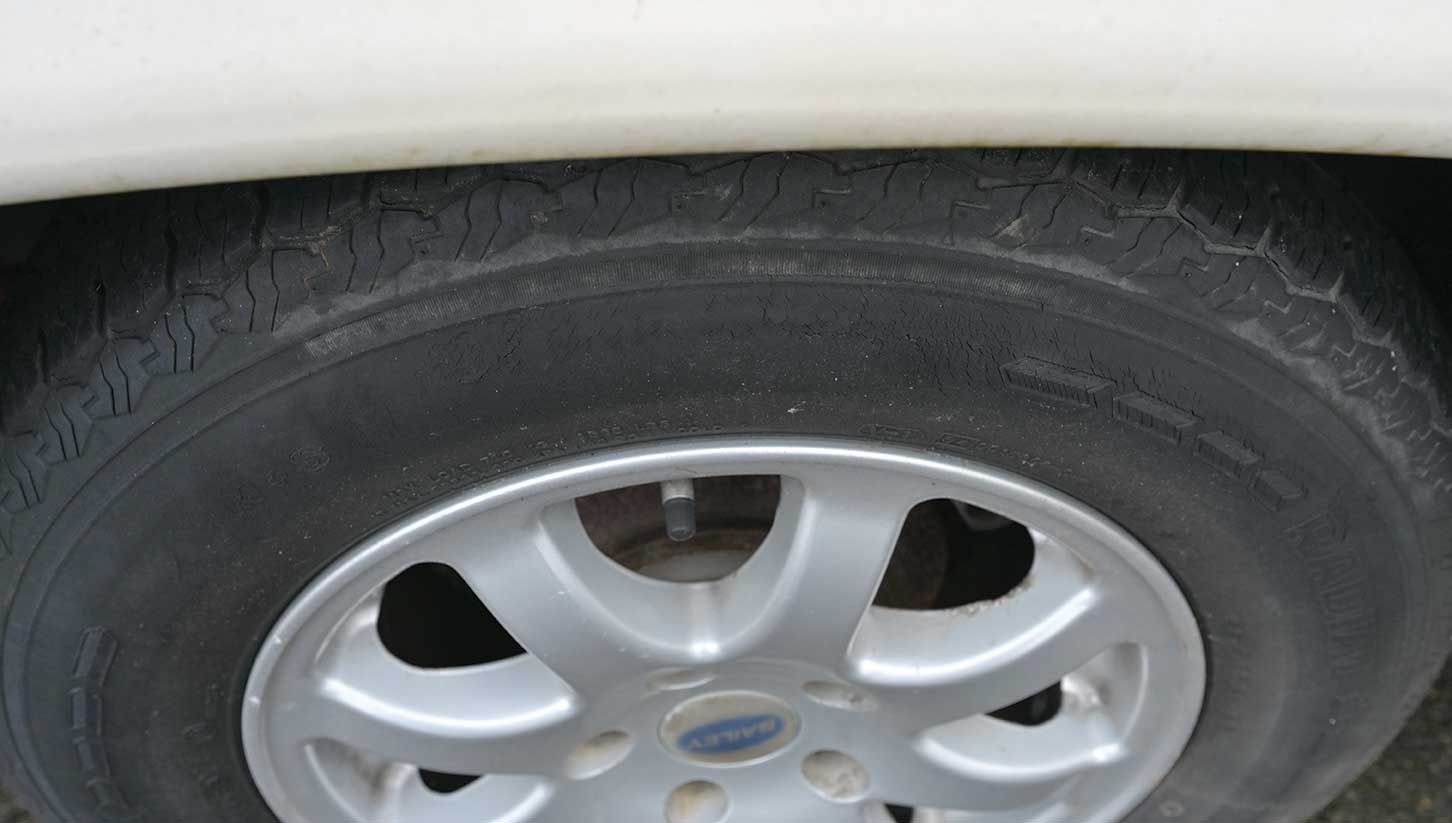
If possible, don’t do this on a hot, sunny day, or you’ll find you have streaks appearing. Dry off with a microfibre cloth, then don’t forget about polishing a caravan, either. Clean the windows and wash the wheels. For the latter, use a specialist tyre cleaner, such as Auto Finesse Satin Cream.
How to take great photos of your caravan
The old saying in retail was ‘display well to sell well’, and that’s very true – a well presented and displayed caravan attracts prospective purchasers.
For starters, get the van’s exterior cleaned up. Adding tyre gel can help the alloys stand out. Clean up the kitchen area, as well as the washroom. Make sure no water containers or an awning is left on the floor – you want it all to be clear.
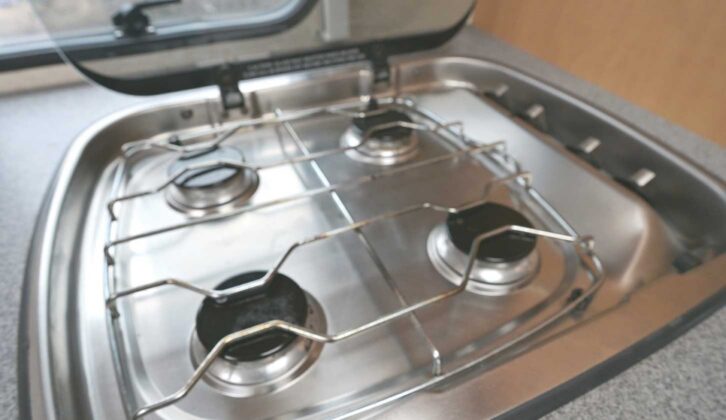
We can’t all be first-class photographers. If you know someone who is good at taking snaps ask them, or if you have a camera with a wide-angle lens, that’s ideal.
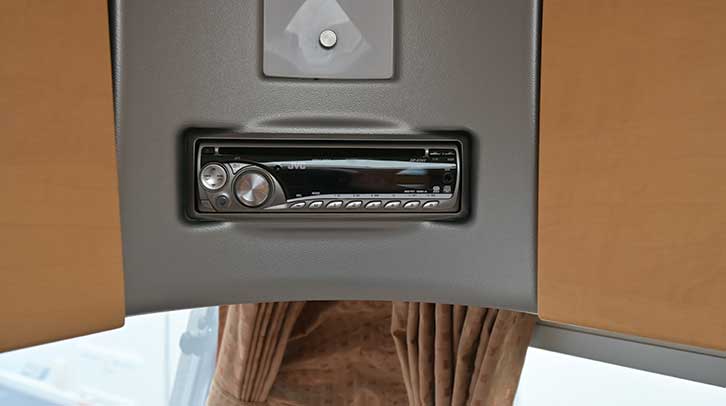
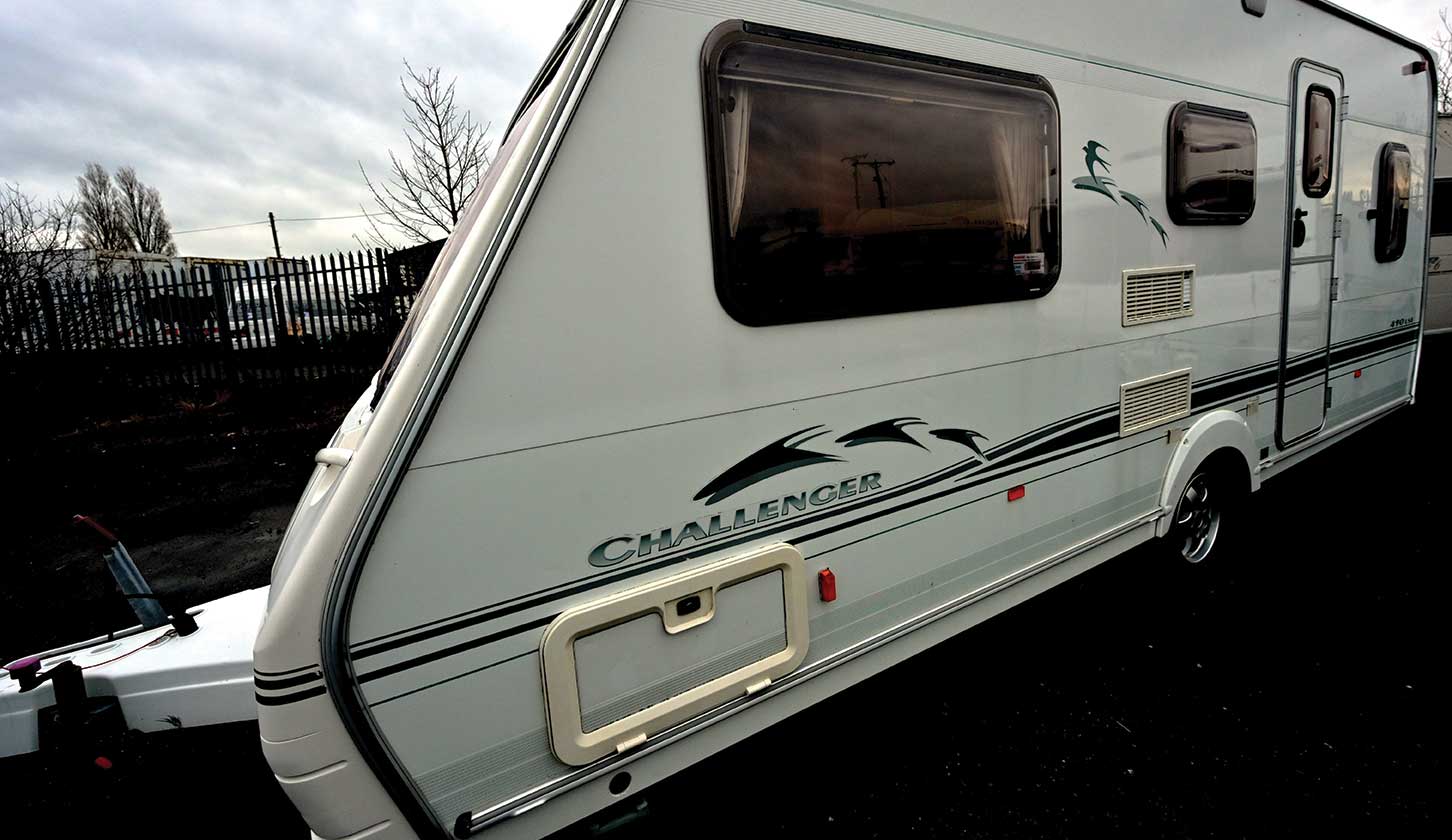
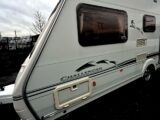
Phones can produce good results too. Get a decent day with sun for the exterior images, and try to take a three-quarter image – this is one that shows both the front and the side at the same time.
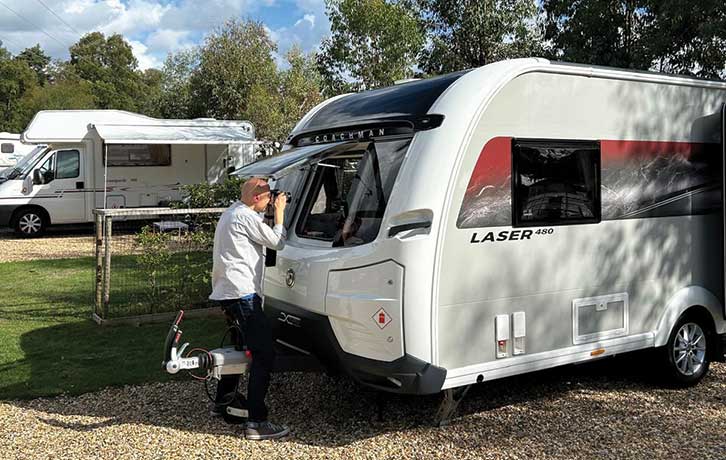
Take several images, getting the entire caravan in the frame. Also take other exterior images, including the wheels, front and back panels and so on.
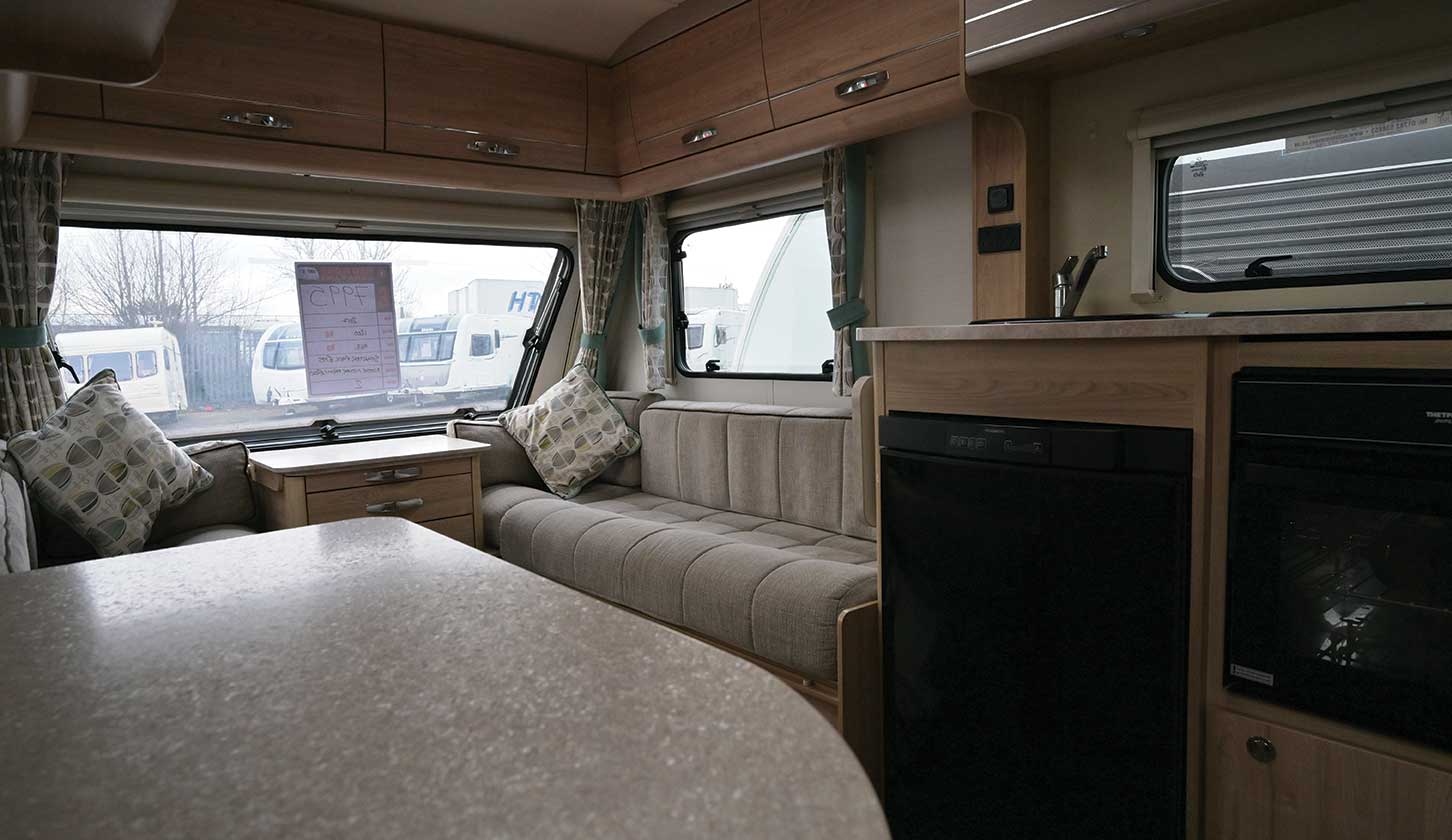
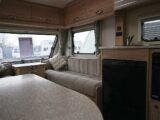
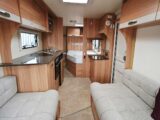
Inside shots can be daunting – take a look at brochures to get an idea of ideal angles and also photograph any interesting features. Get well exposed interior photos of everywhere, including the washroom.
If you can, take the photos with some nice scenery behind it, especially any trees or grass. Take plenty of images and choose the best ones for your ad. You should also photograph any damage – be honest with potential buyers.
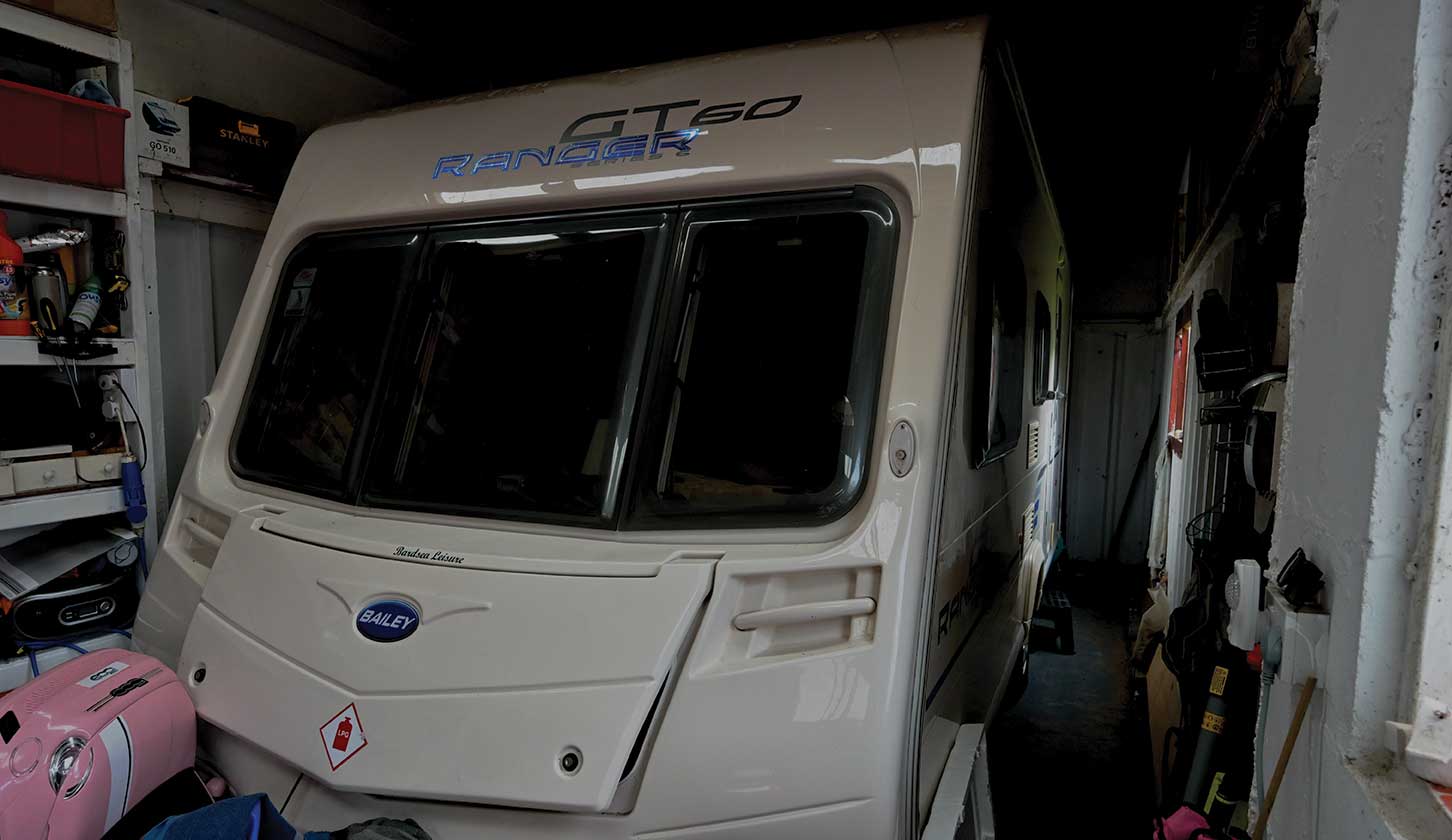
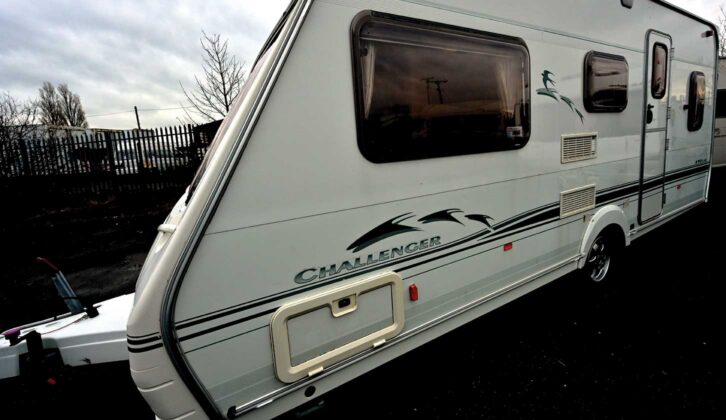
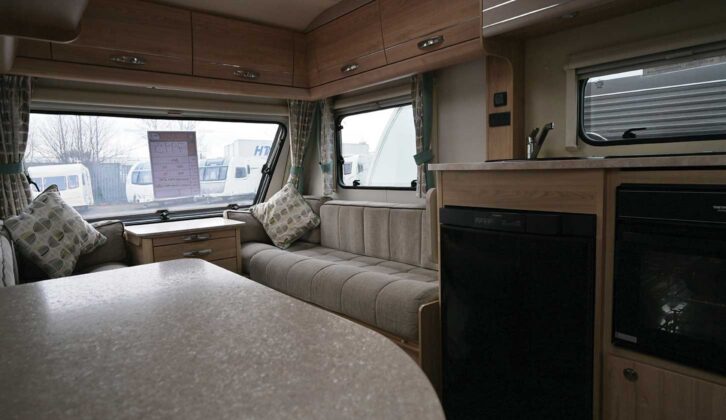
Examples of bad photos to avoid
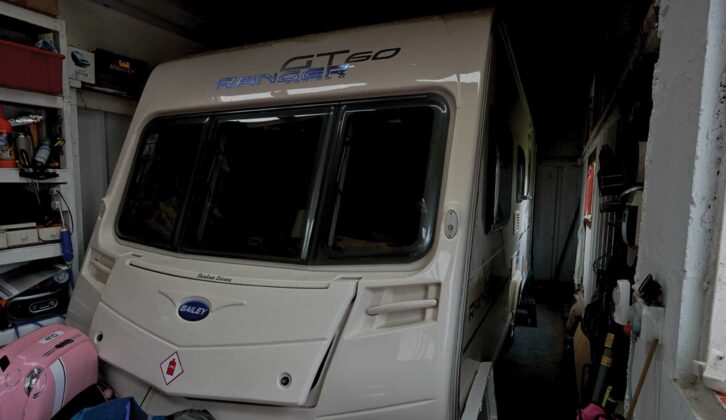
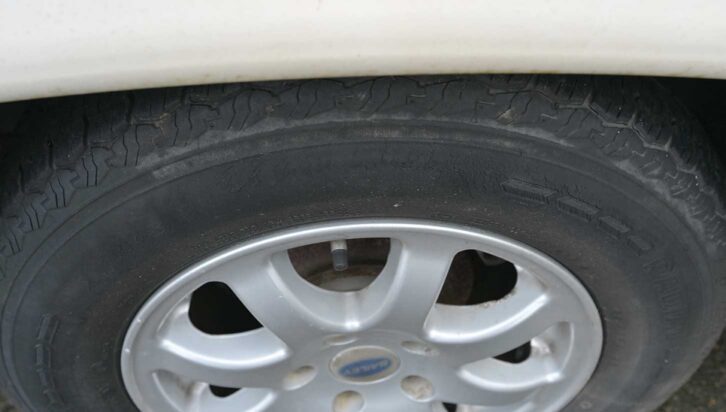
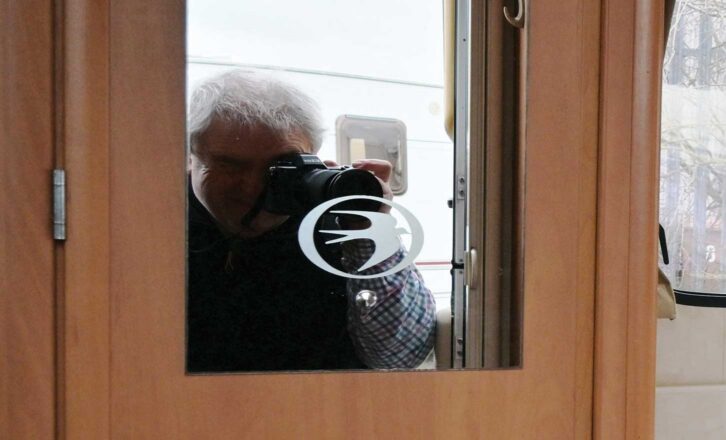
Take a look at what Lottie Gross has to say about being a millennial caravanner.
Future Publishing Limited, the publisher of Practical Caravan, provides the information in this article in good faith and makes no representation as to its completeness or accuracy. The material contained in this article should be used for informational purposes only and in no way should be relied upon as a substitute for independent buying advice. You should not act or refrain from acting based on any information provided in this feature and should consult with your own advisor regarding any questions you may have in relation to the matters discussed in this article. To the fullest extent permitted by law, neither Future nor its employees or agents shall have any liability in connection with the use of this information. You should check any warranty is not affected before proceeding with technical work.
If you’ve enjoyed reading this, why not get the latest news, reviews and features delivered direct to your door or inbox every month. Take advantage of our brilliant Practical Caravan magazine SUBSCRIBERS’ OFFER and SIGN UP TO OUR NEWSLETTER for regular weekly updates on all things caravan related.