



Not so long ago, I was speaking to someone senior in marketing for a caravan maker. “The trouble is, there are lots of people who are interested in caravanning, but the towing part puts them off!”
It’s understandable. Towing with even one of the best caravan tow cars is a different proposition to normal driving, and it requires skill and concentration. But it’s not so difficult that most drivers can’t get to grips with it.
Perhaps you know a would-be caravanner who is nervous about towing. Or maybe there are members of your family who could share the driving with you but are in two minds. Here’s how to persuade them to give towing a try.
Don’t miss our pick of the best caravan towing mirrors either – they can play a crucial part in ensuring you stay safe and legal on the road.
1. Gentle persuasion
There’s no point in strong-arming someone into towing if they really don’t want to do it. You’re more likely to succeed in persuading someone nervous but interested, than a driver with no wish to add towing to their repertoire.
Don’t try to throw someone who would be towing a caravan for the first time in at the deep end with a long drive on a bank holiday weekend. The best way is to start with professional instruction.
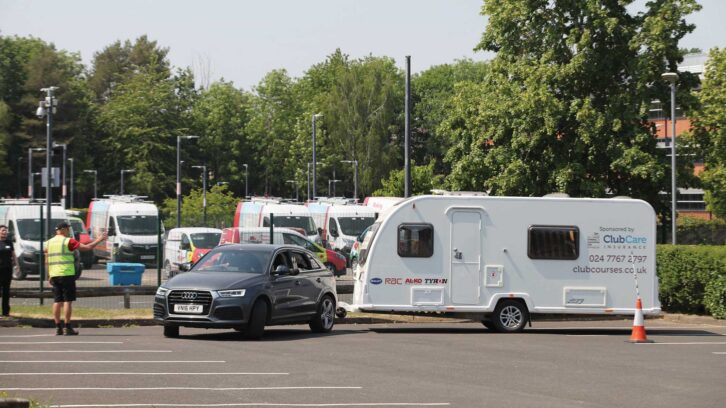
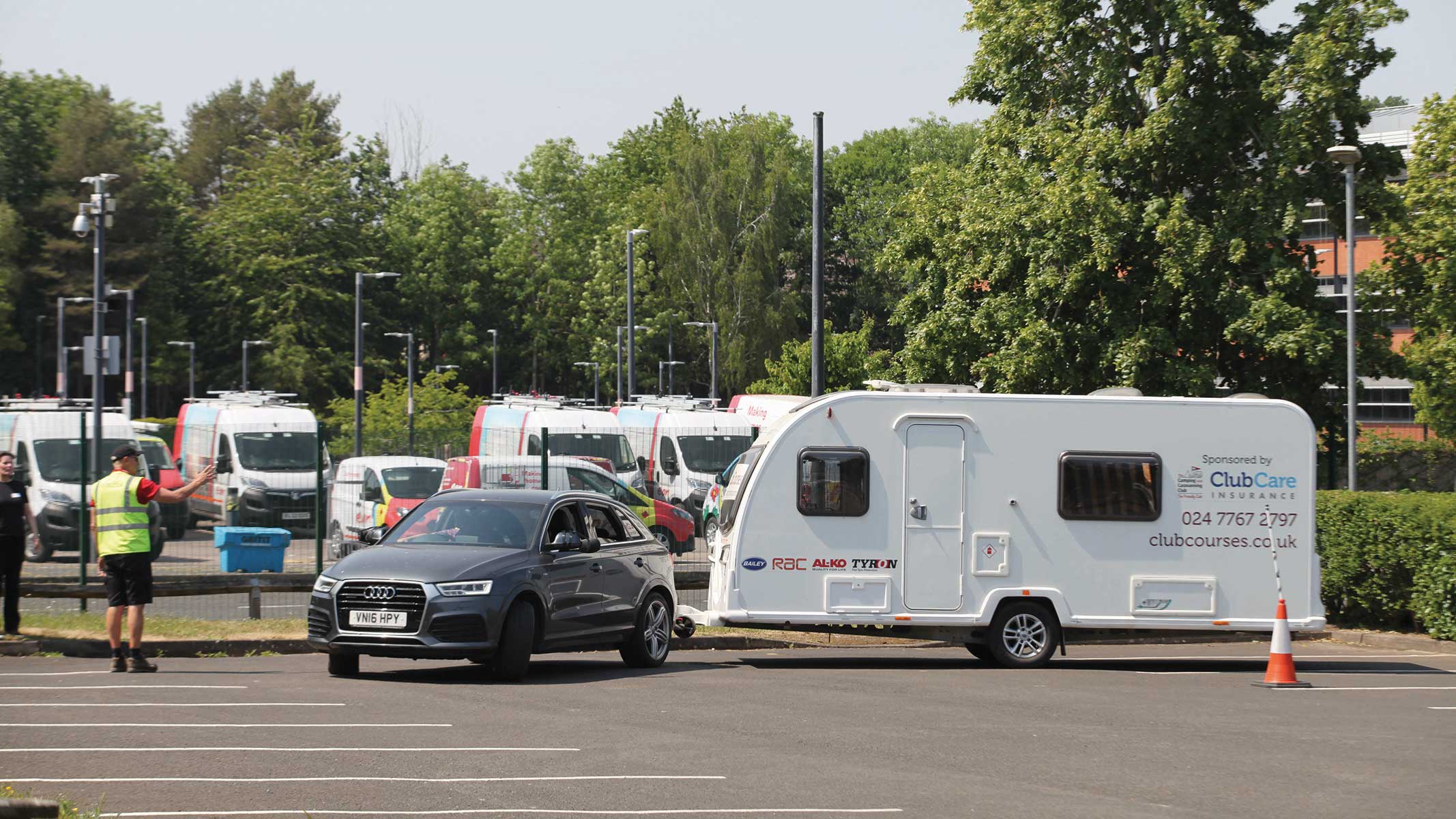
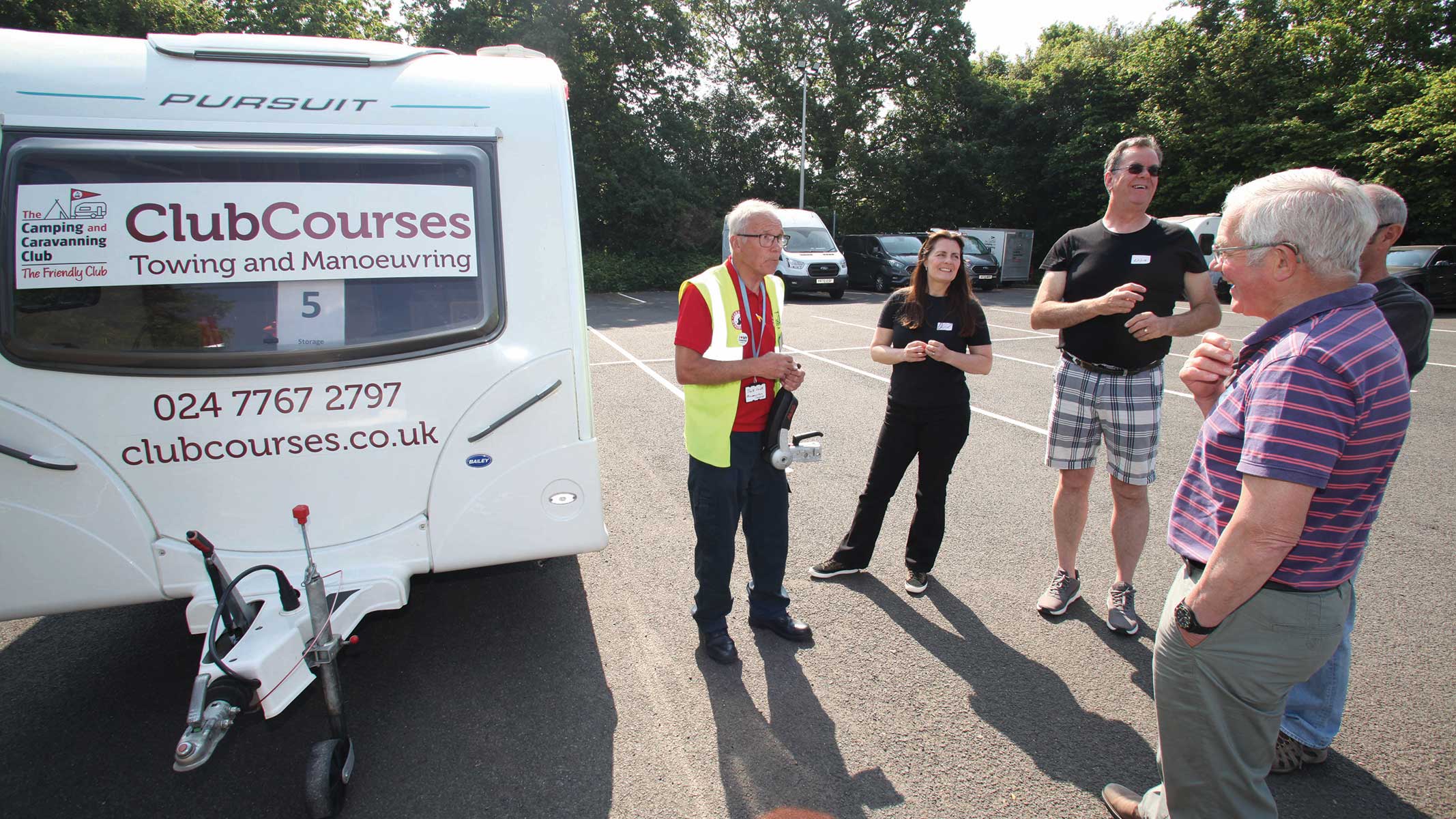
There are towing instructors around the country, many of whom are affiliated with either The Caravan and Motorhome Club or The Camping and Caravanning Club. Both clubs run courses that introduce drivers to towing. The exact syllabus will vary, but expect the course to start with learning the basics away from the public road under the watchful eye of an expert.
This is truly the best way to start. Even if you are an experienced tow car driver, there can be tensions between partners and family members when imparting a new driving skill. Anyone who has helped a teenager on L-plates will know how fraught that can be.
Rather than risk a row – or passing on any bad habits you may have developed over the years – professional instruction is the best route to helping someone become a competent and confident tow car driver.
2. Learn from an expert
Caravan towing courses can be a great way to increase confidence on the road.
The Camping and Caravanning Club’s Confidence Builder course is aimed at newcomers. It covers laws and regulations, manoeuvring, safe loading, reversing a caravan and on-road driving. Courses cost £205, but club members receive a £25 discount.
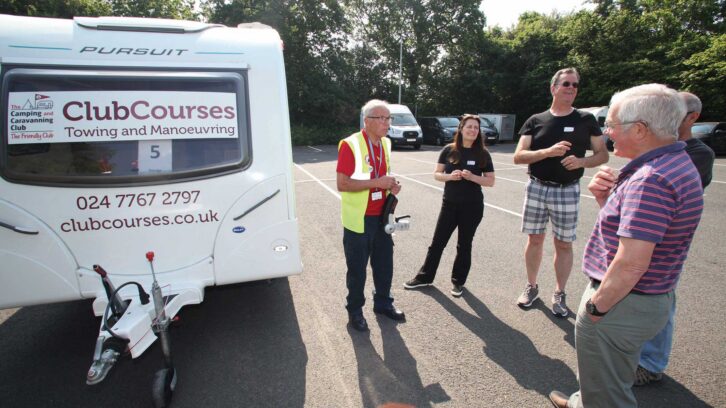
The equivalent from The Caravan and Motorhome Club is called Practical Caravanning. Topics covered include how to hitch up a caravan, loading and balancing, using mirrors, lane discipline, reversing techniques and more. It costs £227 for one-and-a-half days of tuition.
Your would-be tow car driver will never learn so much so quickly as on one of these courses.
3. Practice makes perfect
Well, perhaps not perfect, but certainly confident and safe.
Like any skill, lessons learned on a towing course are best reinforced by regular practice. So, I wouldn’t recommend taking a course at the end of the season, then waiting six months before towing again. It’s better to take your new-to-towing driver out on the road within a few days of completing a course.
Start with a relatively easy drive and a modest distance, rather than thinking about towing a caravan a long distance. An hour or so will be enough to reinforce skills and develop confidence. Don’t expect them to drive for more than two hours – this isn’t good practice anyway.
When you book your next trip, ask for a pitch in a quiet corner if possible. That way the new driver can practice their reversing without an audience. This may not be possible, in which case patient encouragement will go a long way.
4. In the passenger seat
As the more experienced tow car driver, you may be tempted to backseat drive. Try to resist this. Aim to draw a line between mistakes that need to be corrected and micro-managing every decision. There’s a danger you will undermine their confidence rather than helping.
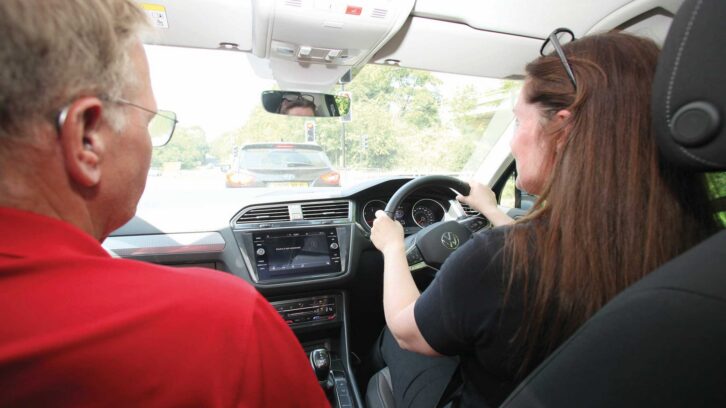
In driving instruction, professionals talk a lot about ‘client-centred learning’. This idea can be applied to helping someone who has just learned to tow. What do they find most challenging about towing? Are there specific skills they’d like to practice? When they took their course, what did the instructor have to say about the topic? Let them lead the conversation and help them with areas they are most concerned about.
Be careful that the advice you give is correct. It’s worth reading up on the course your new driver has taken and reminding yourself of best practise through YouTube videos from a reliable source, such as the big two caravanning clubs. You should reinforce rather than contradict what the driver has learned from the instructor – they know their stuff!
5. Attitude can be as important as skill
It’s not just about what a driver knows about towing, it’s how they apply their skills and knowledge that counts. It’s one thing to know about the speed limits when towing a caravan, and uour new tow car driver may understand that their stopping distances increase while towing, but do they leave a safe gap to the vehicle in front? They may know that 60mph is the motorway limit while towing, but do they stick to it – or drive slower if conditions are bad?
Every time we drive, whether towing or not, safety should be our highest priority. But towing both makes extra demands on us as drivers and potentially increases the consequences of a mistake. That shouldn’t put anyone off towing a caravan, but it should make us respect towing and take every journey seriously.
Your new tow car driver should see that attitude in everything you do, from carrying out safety checks before each journey to making safe and careful choices behind the wheel. You are setting an example for them to follow.
For most of us, towing a caravan is a means to an end, sandwiching the fun part of caravanning at your destination. But it doesn’t have to be something a driver avoids or dislikes. With professional instruction, support from a more experienced driver, and a safety-first attitude, towing can be a satisfying aspect of caravanning.
Take a look at my caravan towing tips too, advice which I think should help to make your time on the road more enjoyable.
If you enjoyed reading this article, why not get the latest news, reviews and features delivered to your door or inbox every month? Take advantage of our brilliant Practical Caravan SUBSCRIBERS’ OFFER and SIGN UP TO OUR NEWSLETTER for regular weekly updates on all things caravan related.