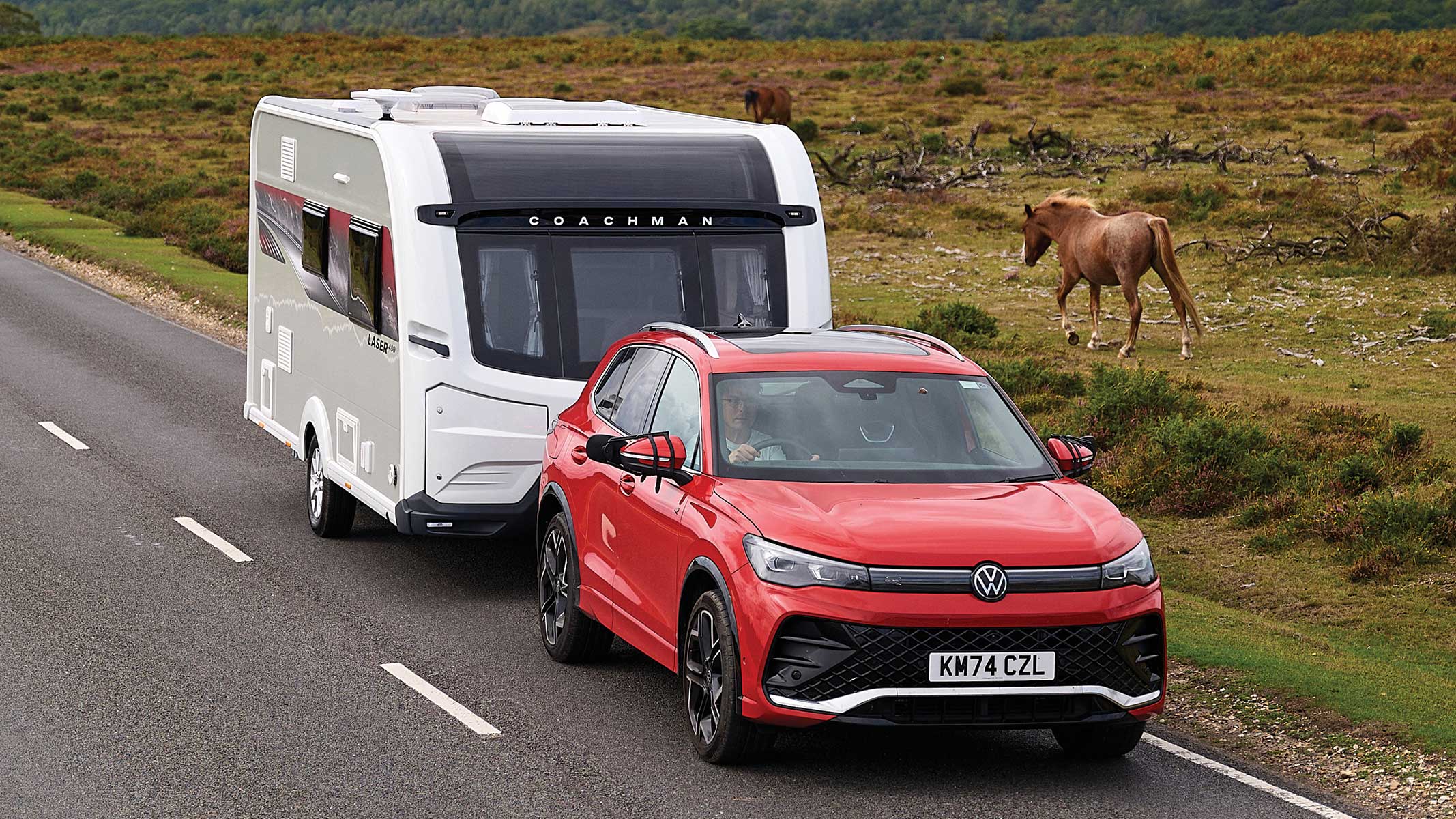

The cost of fuel may rise and fall, but a tank of petrol and diesel is never cheap. The long-term trend has been up: government data shows the price of petrol has climbed by 48% and diesel 63% over the past decade.
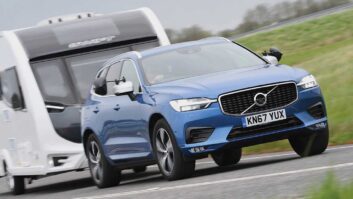
Unless you are ready to embrace electric towing, which brings its own challenges, you can’t fully escape from the high cost of fuel. Towing a long distance is an expensive business, especially with a large tow car and caravan.
However, there are steps you can take to make towing a little more affordable. Every penny saved is more money to spend on holiday fun at your destination.
Don’t miss our tips what to look for when choosing a tow car either.
1. Prep your car and caravan
Make sure your car and caravan are in good working order before you set off. Tyre pressures are especially relevant if you want the best fuel economy. Make sure your tow car’s tyres are set to the correct pressures for towing (see: “what PSI should caravan tyres be?” if you need help with this. This can be a few PSI higher than the recommended pressure for lightly loaded driving.
Research by the Oak Ridge Laboratory in the US shows that running tyres at 75% of the recommended pressure worsens fuel economy by 2-3%. Tyres at 50% of the correct pressure saw fuel efficiency worsen by 5-10%, depending on speed.
Don’t forget to check the caravan’s tyre pressures, too, and don’t miss what we have to say about caravan tyre care either.
2. Lighten the load
You should be packing a caravan carefully.
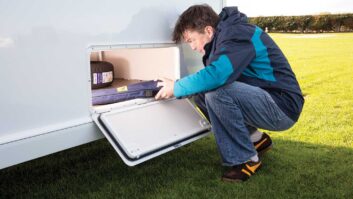
If you’re not planning to use a full awning for a quick weekend away, then don’t take it. In fact, it pays to be brutally efficient with your packing. With the exception of safety-related items, think very carefully before taking anything ‘just in case’ and instead focus on what your essential caravan accessories will be.
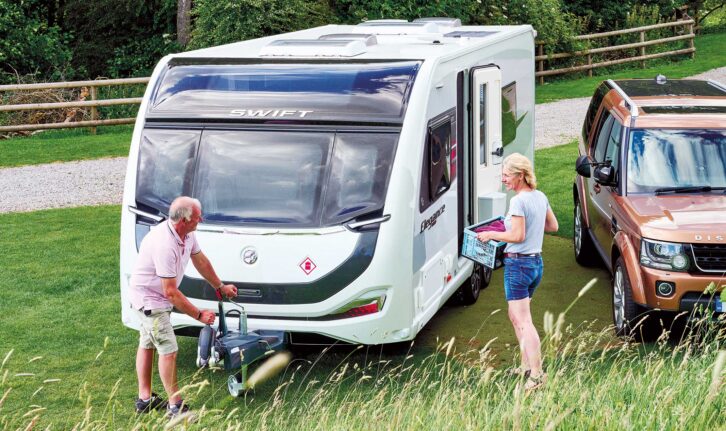
While it saves a trip to the shops if you take some supplies with you, it’s not necessary to take a full week’s worth of food and groceries. If you shop locally instead, you’ll have trimmed a few more kilos from your payload. It won’t be enough to make a huge difference to your fuel economy, but every little helps.
3. Go aero
While you can’t change the design of your car and caravan, you can avoid making the aerodynamics worse. By taking less with you, perhaps you can manage without a roof box. If you don’t have as much luggage in the caravan, maybe bicycles could fit inside rather than on the roof of your car (although be sure to pack them carefully so they won’t damage the inside of your tourer).
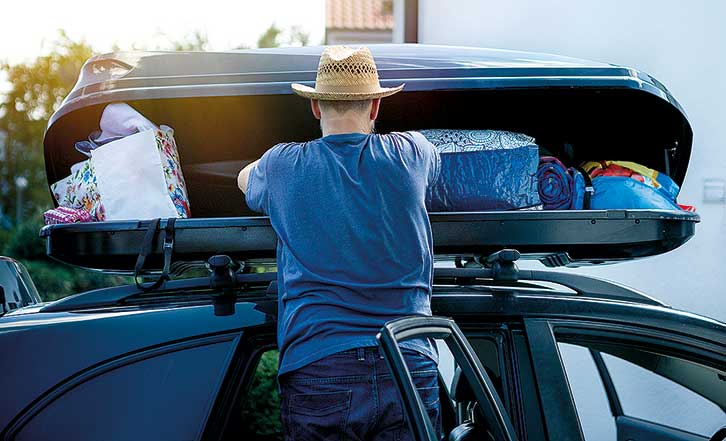
The less aerodynamic drag, the better your caravan tow car’s fuel economy will be.
4. Check the price of fuel
Fuel prices have been a hot topic this year, not least because of the conflict between the US and Iran. The government launched its own fuel price comparison service in February, and the information is available to individuals and organisations such as app developers.
Third-party apps tend to present the information in a more user-friendly way. Downloading a service such as PetrolPrices from iTunes or Google Play gives quick access to local fuel costs through your smartphone. The difference between fuel forecourts in the same area can easily be as much as 10p per litre – that’s a £5 difference between the best and worst price for a 50-litre fill-up.
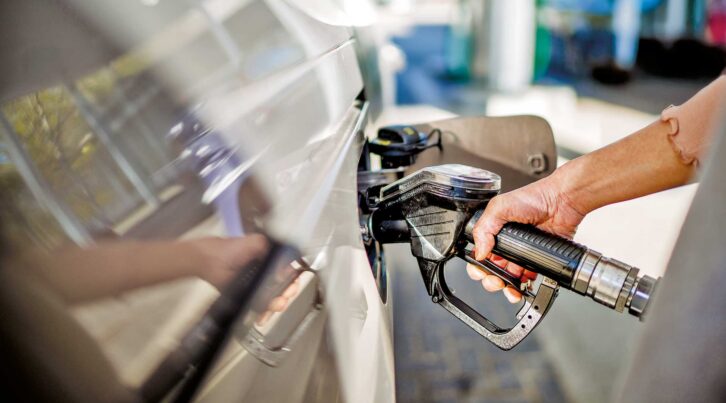
It goes without saying but we’ll say it anyway – filling up on the motorway is going to be expensive. So, start your towing journey with a full tank of the cheapest fuel you can find locally.
If you need to refuel mid-journey, a fuel price app can show forecourts just off the motorway that will save you money for the sake of a brief detour. Or some navigation apps, such as Waze, can show fuel prices along your route.
5. Plan an eco-route
Your choice of route will also make a noticeable difference to the cost of your journey. Many navigation apps allow the user to select an ‘eco’ route. This may take a few minutes longer than the fastest way, but it could save you a considerable amount of fuel.
It could mean taking a more direct route using A-roads rather than motorways. Generally, a shorter mileage at a lower average speed will reduce fuel use, because towing at 50mph is more fuel efficient than towing at 60mph. This often makes for a more scenic and enjoyable journey, so it’s a win-win.
6. Drive efficiently
Attentive, safe driving tends to use less fuel than driving aggressively. So, pay close attention to the road ahead, not just the vehicle in front but looking into the distance to spot brake lights and cars changing lanes.
Easing off the throttle early and accelerating smoothly uses less fuel than harsh accelerating and braking. Good anticipation means you will come to a complete stop less often, which can really make a difference to your mpg figure.
If you are stuck in stationary traffic, don’t keep the car in gear with the clutch pedal depressed. Put the handbrake or parking brake on and put the car in neutral. This will allow the car’s stop/start system (if fitted) to turn off the engine while you aren’t moving. If you drive an older car without this feature, you can turn off the ignition yourself to avoid wasting fuel. It’s actually an offence to leave your engine running unnecessarily while stationary.
Obeying the speed limit is first and foremost a question of safety, but it also benefits fuel efficiency. Be prepared to drive below the speed limit if conditions make this more prudent, such as in wet and windy weather. Your journey will be safer, and you’ll cut your fuel bill.
Conclusion
Saving money on fuel while towing is achieved through a combination of preparation, planning and careful driving. A few small, sensible changes can cut the cost of towing without making your holiday any less enjoyable.
In fact, steps such as setting your tyres to the correct pressure and improving your anticipation can make for a safer journey as well as a cheaper one.
Lead image: Matt Lincoln
If you’ve enjoyed reading this, why not get the latest news, reviews and features delivered direct to your door or inbox every month. Take advantage of our brilliant Practical Caravan magazine SUBSCRIBERS’ OFFER and SIGN UP TO OUR NEWSLETTER for regular weekly updates on all things caravan related.