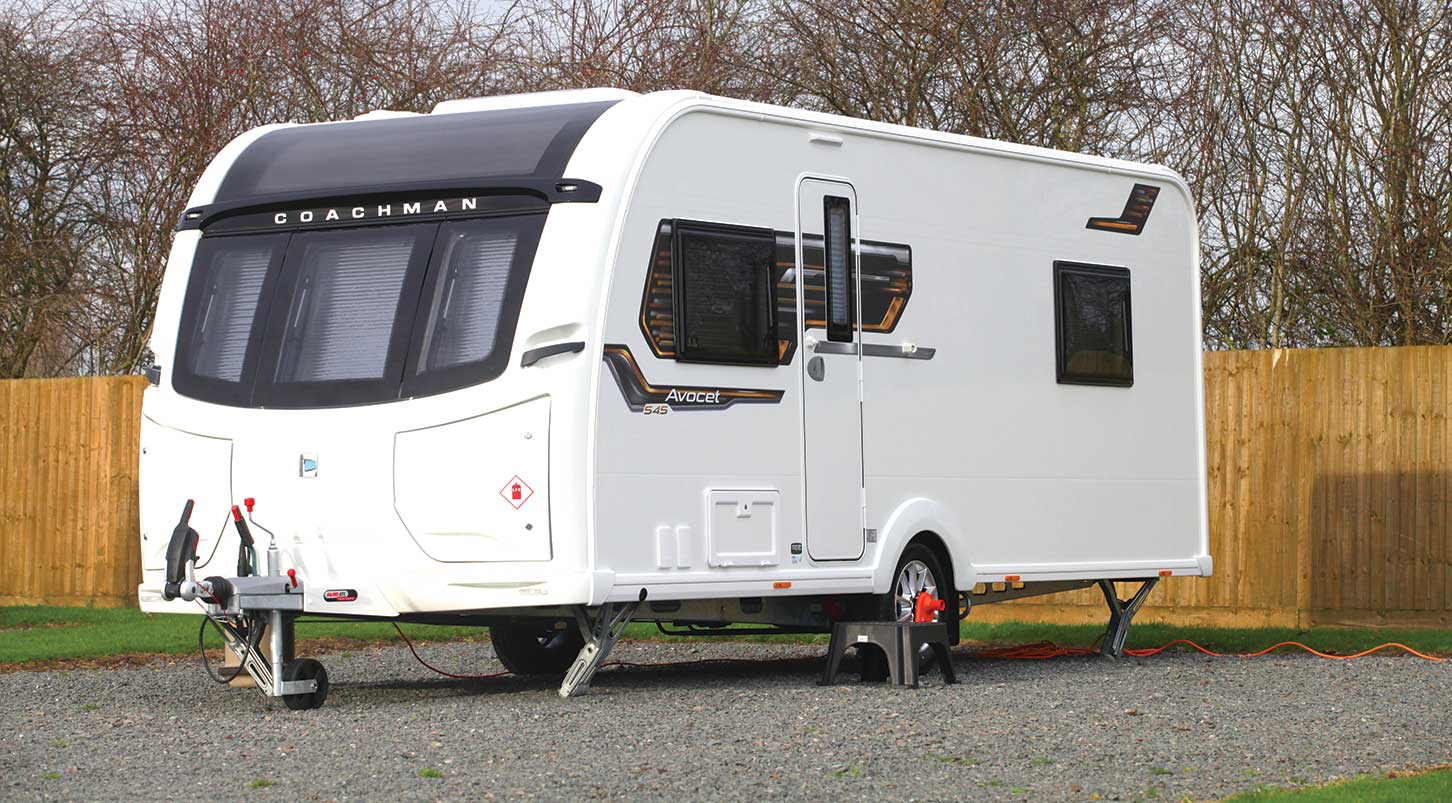

Anticipation is half the pleasure. For many caravanners, the quiet months before the summer season properly kicks off are filled not with inactivity, but a growing sense of excitement.
Recommissioning a caravan – checking, cleaning, testing and preparing – is not simply house-keeping, it is part of the pleasure, a reassuring process that builds confidence in both outfit and accessories, before the first mile is even towed.
Get this preparation right, and you reduce stress, avoid costly surprises and ensure that every trip begins with quiet assurance, so you can look forward to pitching up at one of the best caravan parks.
Here’s a comprehensive guide that combines best-practice advice from industry experts, and real-world experience.
1. Start with a full visual inspection
Before grabbing your bucket or plugging in a charger, begin with a slow, methodical walk-around check. Look for obvious things: damage, cracked seals, perished mastic or
the signs (and smells) of water ingress.
Check that your vents and gas dropouts remain clear and intact. Rodents are opportunists, so inspect wiring, insulation and upholstery for signs of tell-tale nibbling (see our tips on how to keep rodents out of a caravan).
Windows and rooflights demand extra scrutiny, especially on older tourers where seal fatigue and failure can develop unnoticed. This initial inspection sets the tone; it tells you whether the van has wintered well, or whether attention is required before further preparation begins.
2. Clean the exterior properly
A thorough exterior clean is both cosmetic and preventative maintenance. It’s surprisingly therapeutic, too, but cleaning a caravan is a big job, so pace yourself.
Begin with a low-pressure rinse to soften grime. Avoid jet washers, which can force water past seals and behind graphics. Pre-soak the van, then use the best caravan cleaner and a soft brush, paying attention to resilient black streaks and the grime accumulated during winter storage.
Resistant black streaks may require a specialist cleaning fluid – we’ve found Muc-Off Bike Cleaner (£8.99/litre, formerly Caravan Cleaner) is good for this job.

While cleaning a caravan roof is a task that is often neglected, it should be cleaned annually using a stepladder and a long-handled brush. If you lean a normal ladder against your van, make sure you protect the panel edges from damage. We would recommend never walking directly on the caravan’s roof.
Once rinsed, dry the tourer off and consider polishing the caravan. Alternatively, top-up your ceramic coating (Diamondbrite/PaintSeal) if it has it. It may also pay dividends when you come to sell your van on.
If your caravan has had a paint-sealant treatment in the past 12 months, a simple rinse may restore its gloss finish.
3. Give the interior a spring clean
Months in storage can leave interiors stale, dusty or, worse still, colonised by insects or rodents. Open lockers, lift cushions and inspect corners, carefully, especially around wheel arches. If the caravan fridge has been closed all winter, open it up for a few days. And always remain vigilant for early signs of damp. Some caravanners move upholstery and cushions inside during winter storage.

Once you’re satisfied, a comprehensive clean is all that’s required, so it’s time to reach for the best caravan vacuum cleaner.
Protecting upholstery and carpets with suitable fabric treatments can pay dividends throughout the season, particularly for family caravans. Always ensure that there’s good ventilation during and immediately after cleaning.
4. Check your leisure battery’s health
The best caravan leisure battery is the silent backbone of your tourer’s electrical system. If left unattended over winter, its condition can deteriorate significantly.
Ideally, it will have been maintained with a smart charger, but if not, now is the time to give it a health check.
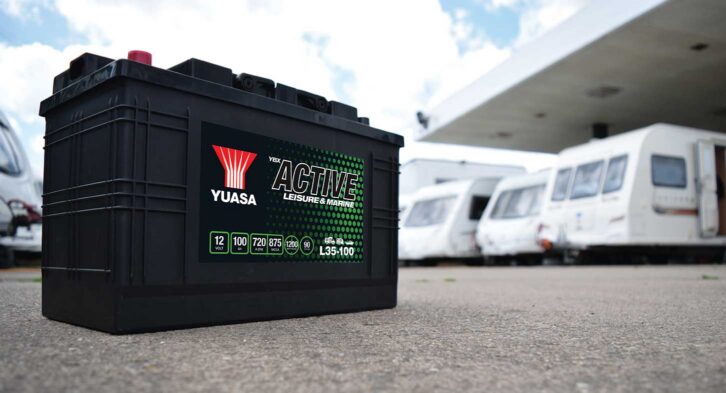
Use a multimeter to measure resting voltage. Around 12.6V or higher indicates full charge, while anything below 12.4V suggests deep discharge, and could cause potential long-term damage.
Check and charge your battery several weeks before departure, then monitor whether it holds its charge – it’s a simple but telling indicator of overall battery health.
5. Check the gas supply and hose condition
Check cylinder levels and confirm hoses are in good condition and within their service life, typically five years from manufacture. The date of manufacture should be printed on the side of the hose. Cracked or ageing hoses should be replaced immediately.

A quick test of regulators and connections ensures heating and cooking systems will operate faultlessly.
These gas supply tasks are best done by a trained professional, ideally as part of your annual habitation service.
6. Flush and sterilise water system
Water left standing in pipes over winter can harbour bacteria and unpleasant odours. A full-system sterilisation is therefore essential.
Using a proprietary cleaning solution such as Puriclean, circulate treated water through both hot and cold water systems, including the shower head – without activating the heater – and allow time for the sterilising agent to work.
After soaking, flush thoroughly with fresh water, until all traces of cleaning solution are removed. Remember to rinse your Aquaroll and connector pipe, too.
This simple procedure safeguards both health and the taste of onboard water supplies.
7. Refrigerator recommissioning
If the fridge has been stored correctly with the door ajar, recommissioning should be straightforward. Clean interior surfaces using a mild bicarbonate solution, rinse and dry thoroughly. Vinegar can be used to eliminate mould spores if necessary.
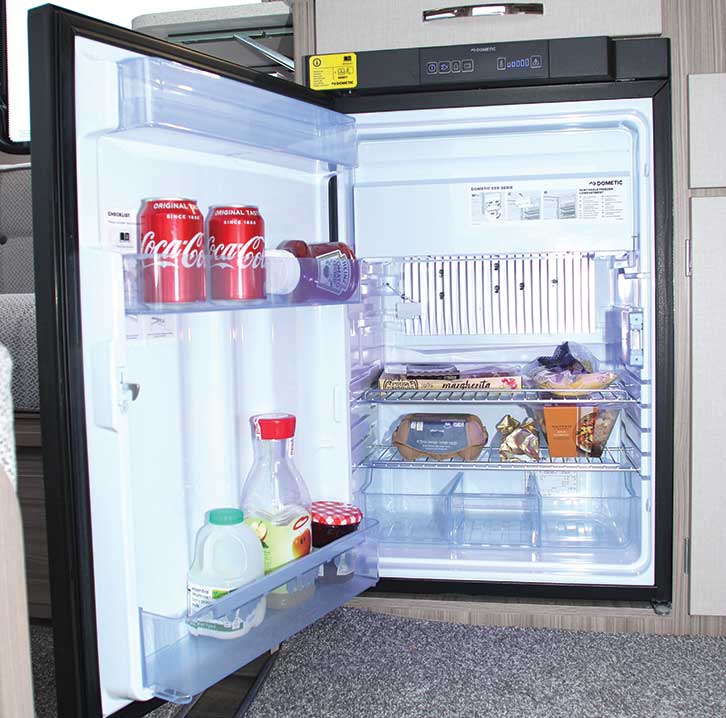
Once clean, test the fridge on mains, 12V and gas modes. Confirming full operation before your first trip prevents the disappointment of discovering faults only after arrival on site!
For stubborn smells, consider buying a fridge odour absorber.
8. Service moving parts and mechanical components
Winter inactivity can cause mechanical components to stiffen or seize. Corner steadies, hitch mechanisms, brake linkages and spare wheel carriers should all be lubricated appropriately. A seized spare wheel carrier is more than an inconvenience – it can become a roadside ordeal in poor conditions.
While working (safely) beneath the van, check tyres for age, cracking and pressure. Caravan tyres may look unworn but can still be unsafe if over five years old (see: “how often do caravan tyres need changing?” for more). A methodical mechanical check enhances towing confidence.
Take a look at our caravan tyre care tips too, to help you keep your tourer’s rubber in it’s best condition.
9. Inspect towball and connections
Your tow car deserves equal attention. Ensure the towball is clean and rust or grease-free, because contamination can reduce effectiveness and make them annoyingly noisy.
Check detachable towbar mechanisms for corrosion and operation, and confirm electrical connectors are clean and fully operational.
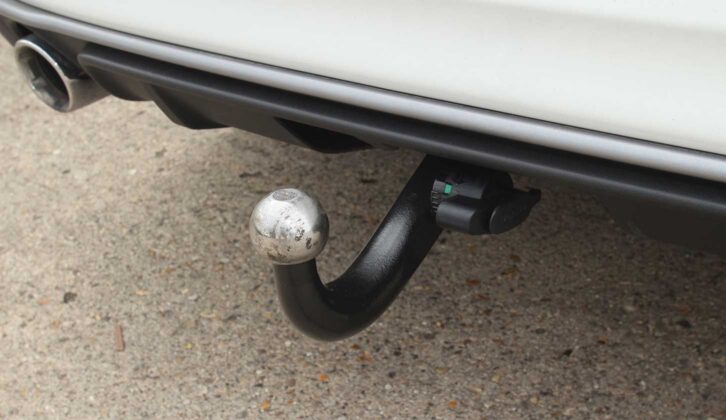
Connecting the caravan and testing all road lights is a simple but vital exercise that should never be left until departure day.
Take a look at what we have to say about caravan towing electrics for more on this.
10. Check appliances and safety equipment
Before the first trip, fire up every onboard appliance: heating, oven, water pump, fans and lighting circuits. Confirm they operate on all relevant power sources.
Replace batteries in smoke alarms and carbon-monoxide detectors, and check fire extinguishers remain in date.
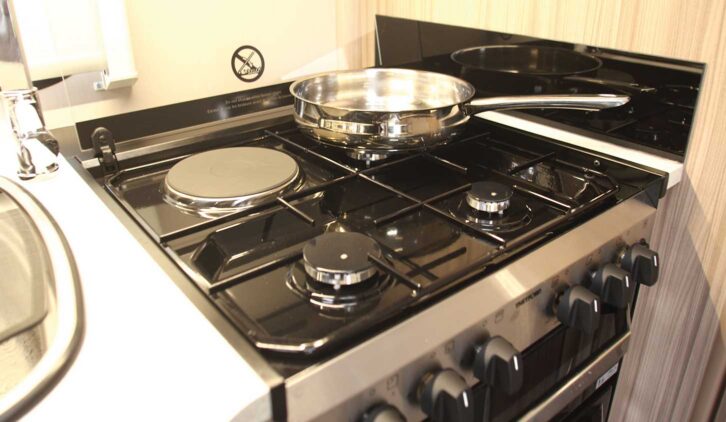
This systematic approach ensures that comfort systems perform flawlessly when touring begins in earnest.
11. Awning and outdoor equipment inspection
Awnings stored damp can develop mildew and unpleasant odours. Erecting your awning at home before the season begins.
This will allow time for airing, parts-checks, inspection, cleaning the awning, and reproofing if required. This precaution avoids unpleasant surprises on pitch, especially if you arrive late, and ensures outdoor living spaces are ready for immediate use.

The same principle applies to gazebos, groundsheets and camping furniture – small details that contribute significantly to overall touring enjoyment.
12. Bulk supplies and essentials
Stocking up on essential consumables such as the best caravan toilet chemicals, flush additives and cleaning fluids pre-season can offer worthwhile savings. Relying on campsite shops often means paying premium prices, so planning ahead is both economical and convenient.
Organising supplies in advance also speeds packing and reduces last-minute stress.
13. Documentation, servicing and insurance
Confirm your tourer’s service history is up to date, insurance valid and any tracker subscriptions and club memberships are renewed. Overlooking paperwork can invalidate warranties or leave valuable assets inadequately protected. Scheduling a professional caravan servicing before peak season can also provide reassurance that hidden technical issues are addressed.
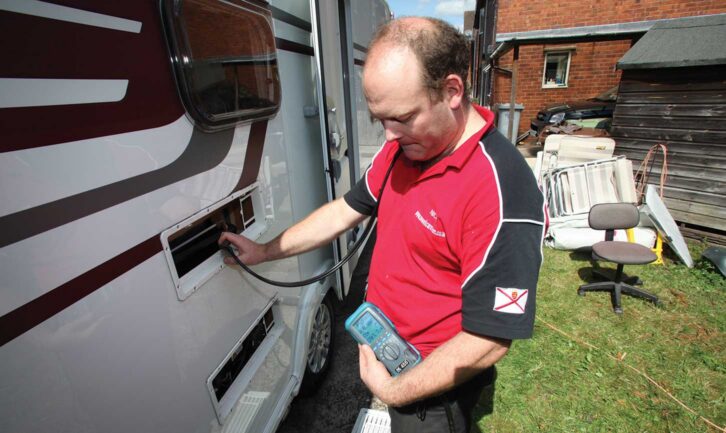
We recommend using an NCC-approved service centre or technician, as this guarantees high levels of professionalism.
14. Water pumps, heating and electrical systems
Recommissioning extends to functional testing of pumps, heaters and electrical distribution systems. Run fresh water through pumps, check for leaks and ensure heaters operate efficiently.
Alde wet heating systems should be checked for correct fluid levels and service intervals, as glycol degrades over time. Verifying these systems now ensures warm showers and reliable heating when the weather turns.
15. Final road test and towing assessment
Once preparation is complete, towing the caravan home from storage for final checks is highly recommended. This short journey confirms stability, braking performance and general road manners, while also providing access to power and water for final preparations.
Importantly, it allows time to rectify any emerging issues calmly rather than hurriedly on departure day.
16. The value of early preparation
Perhaps the most overlooked benefit of thorough preparation is psychological. Knowing your caravan has been checked, cleaned and tested builds confidence. That confidence transforms the touring experience, allowing you to focus not on potential faults, but on the pleasures of the journey ahead.
Preparation is part of the anticipation that enriches every trip.
Take a look at our 14 tips that should help to take the exertion out of caravanning, too.
Future Publishing Limited, the publisher of Practical Caravan, provides the information in this article in good faith and makes no representation as to its completeness or accuracy. Individuals carrying out the instructions do so at their own risk and must exercise their independent judgement in determining the appropriateness of the advice to their circumstances and skill level. Individuals should take appropriate safety precautions and be aware of the risk of electrocution when dealing with electrical products. To the fullest extent permitted by law, neither Future nor its employees or agents shall have any liability in connection with the use of this information. You should check that any van warranty will not be affected before proceeding with DIY projects.
If you’ve enjoyed reading this article, why not get the latest news, reviews and features delivered direct to your door or inbox every month. Take advantage of our brilliant Practical Caravan magazine SUBSCRIBERS’ OFFER and SIGN UP TO OUR NEWSLETTER for regular weekly updates on all things caravan related.